Summary:
- Apple is facing a $2 billion mass lawsuit in the U.K. over alleged iPhone “throttling.”
- Consumer champion Justin Gutmann claims the tech giant limited performance on certain models to hide battery defects.
- The tech giant on Tuesday asked a London tribunal to block the lawsuit.
Apple on Tuesday petitioned London’s Competition Appeal Tribunal to block a $2 billion lawsuit over its alleged “throttling” of iPhones with software updates — reports Reuters.
The lawsuit, filed by consumer champion Justin Gutmann on behalf of iPhone users in the U.K., claims that Apple deliberately limited performance on certain models by “surreptitiously” installing a power management tool in a software update, all to cover up battery defects.
Gutmann on Tuesday asked the Tribunal to certify the case as a class action and allow it to go to trial. The lawsuit is seeking up to £1.6 billion in damages, plus interest.
In written arguments, Apple called the lawsuit “baseless.” The company further denied the claims of any iPhones being shipped with defective batteries, barring a small number of iPhone 6s units that were found to have problems and Apple offered free battery replacements for.
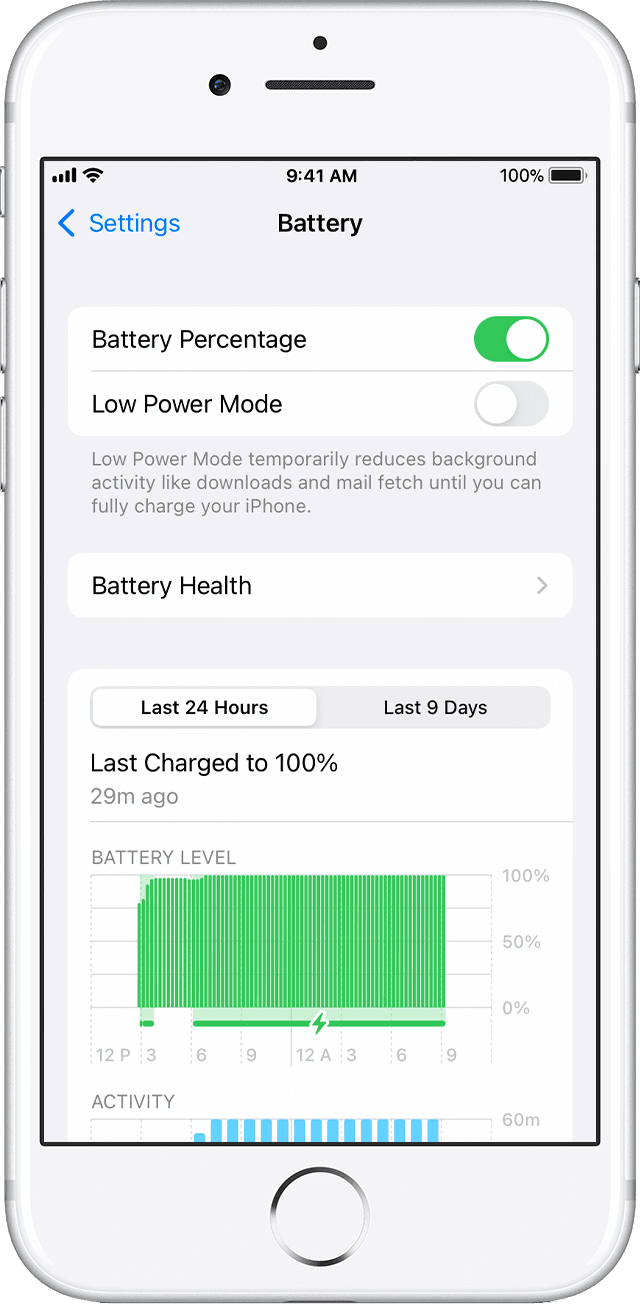
In addition, Apple clarified that its power management update, which was rolled out in 2017, was designed to manage demands on older batteries or those with low health and only reduced an iPhone 6’s performance by an average of 10%.
This is far from the first time Apple has been accused of slowing down iPhones with software updates. A lawyer for Gutmann cited Apple’s 2020 settlement in a U.S. class action lawsuit and regulatory action by U.S. states over iPhone battery issues and said that the company was not “saying this never happened.”
David Wolfson, a lawyer representing Apple, said in court filings that Gurmann’s lawsuit effectively alleges that “not all batteries could deliver the peak power demanded in all circumstances at all times,” which is true for all battery-powered devices.
Apple recently won an appeal it filed with the Competition Appeal Tribunal against the U.K. Competition and Market Authority (CMA)’s investigation into Safari and the App Store.




Hahaha. This is hilarious. It was actually to cover up a design defect in the processor. It drew a higher voltage than competing processors, which when batteries naturally degraded were unable to consistently provide.
I bet you it’s too late to change their answer too.
If this class-action is truly only referring to a defect in the battery itself, all Apple needs to do is prove that the batteries worked within expectations of said batteries, excluding the voltage draw issues of the processors completely.
What a fail.
Totally agree. Nice job articulating the issue too. Unfortunately, I think Apple’s PR spin on the issue succeeded in confusing the situation to the point that they got away with not having to recall the phones. Instead they misdirected by offering replacement batteries for reduced cost on defective iPhones. This lead most people into thinking the problem was the batteries instead of the phones. This then led to an interesting situation where people pointed out (correctly) that ALL batteries eventually degrade and that this was not unique to the iPhone 6. And so their conclusion was that there was no issue at all and that Apple was in fact being generous by offering a battery replacement for a reduced cost. But in reality they should have recalled the phones or offered customers compensation for advertising the iPhones as being X times faster than the previous iPhone which no longer was the case after their software secretly slowed down customers’ phones.