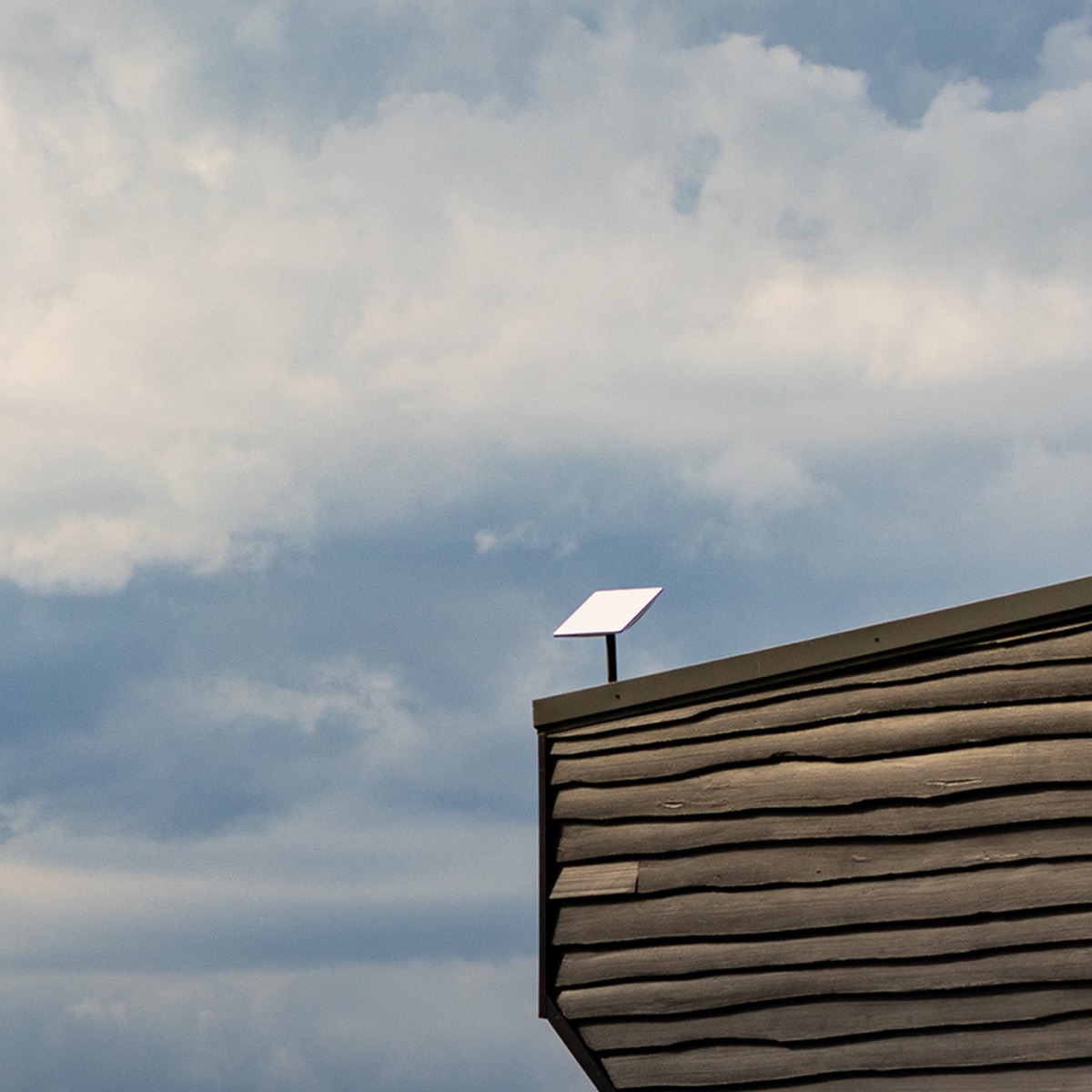
Ontario is investing up to $100 million in a partnership with SpaceX’s Starlink to deliver high-speed internet to 15,000 rural and remote homes, as announced on Thursday.
The deal’s per-home rough cost of $6,667 per location raised questions, but the province clarified the breakdown of expenses, which includes infrastructure, accessibility, and Indigenous engagement.
According to Ash Milton, Press Secretary for the Minister of Infrastructure, in an email to iPhone in Canada on Friday, the province will contribute $92 million to cover capacity reservation on Starlink’s satellite network, hardware, installation, and an Indigenous Engagement and Participation Plan.
“The agreement between the Province and SpaceX will ensure that service remains accessible. SpaceX is responsible for the remaining costs of providing ongoing high-speed internet service, ensuring homes and businesses in specified areas have access,” explained Milton.
Starlink has committed to reserving capacity on its low-earth orbit satellites for Ontario, ensuring service even if global demand increases. Customers who sign up for the service will pay up to $150 per month for service, which Milton described as consistent with other providers.
“SpaceX has agreed to reserve capacity in its low-earth orbital system, guaranteeing service availability for Ontario customers regardless of global demand on SpaceX’s network,” said the statement.
A major focus of the program is engaging with Indigenous communities. “Efforts are underway to work with underserved First Nation communities to gather their input on how to bring high-speed internet access to their communities,” added Milton.
As part of the agreement, Starlink will directly collaborate with Indigenous communities to ensure equitable access for all eligible households and businesses. The company will also provide socio-economic opportunities, including jobs, contracts, and training.
While Ontario will invest $100 million into Starlink, which will bring instant internet once the program launches next spring, the federal government and Quebec are loaning $2.5 billion to Telesat to build its own satellite internet constellation (which ironically will be launched into orbit by SpaceX with plans to go online in 2027).



Lots of people are using Starlink in Canada and they are not dependent on their local province to help them. So, what the hay is going on here? If provinces want to pay for hardware then that's great but i don't think they need any special deal with spacex to accomplish that. Nothing wrong with Telesat setting up another constellation but I think that money would be better spent setting up a Canadian based launching system. The Canadian government could then set up a burger joint on the moon and make dollars on the Martians passing through to go on vacation in the milkyway. 🙂
The rationale still sounds super ambiguous and terrible. If anything, the government should have been able to procure a bulk discount on hardware and even monthly rates for a certain period. Even if they paid the full hardware rate on Starlink's website, that only amounts to $7.5 million. Are we really supposed to believe another $92.5 million needs to be spent on setting it up at people's homes? A good negotiator would say "Hey SpaceX, we want to buy 15,000 hardware terminals, what kind of discount/bulk rate can we can get for hardware/installation? We'd also like to negotiate discounted monthly service rates for the first 24 months because we're bringing you 15,000 customers and $27 million in annual revenue at the full monthly rate." Unbelievable that the Ontario government is able look at anyone with a straight face and argue that this is good value.
That's a bargain, compared to the billions Sparkle Socks
loand tothrew at Telesat (read: Carney) for no satellites for rural coverage and no timetable (or guarantee) of any being built in the foreseeable future.Some context.. Federal and provincial governments are spending hundreds of millions to install infrastructure for high speed internet, including $140 million to lay 1000 km of fibre optic cable to 20,000 homes along the 401 Toronto/Montreal corridor in my region of eastern Ontario [the cable is to our house now but will not be lit until next spring at the earliest]. When ready, service will be provided by Rogers, Bell and Cogeco, presumable at standard rates. We have not had sales reps calling yet so who knows for sure. The expenditure for extremely remote areas in the north on that comparison seems fair but there is a lack of transparency as to whether Starlink is the most cost-effective solution.
The Starlink map shows all of Ontario covered with only a small area [ironically 20km from me] "sold out" so it wouldn't appear that multiple additional satellites would be needed to cover the new area. According to the map, anyone with $500 for equipment should be able to get service in the same way some of my neighbours now get it as they anxiously wait for the fibre optic to by turned-on, cut the monthly cost and maybe get a more stable connection [with Rogers on my road, who can predict?].
The stuff about consultation with First Nations, local jobs [installing roof top antennae?] sounds like a lot of baloney and excuse for a hand-out to band councils. More likely, Premier Ford is emulating Donald Trump in getting cozy with Elon Musk so he feels like a BIG GUY and potentially gets some help from X with his election campaign in 2025. Worst case, he expects some of the expenditure to be money-laundered back to his party coffers. Like many of his projects, this one seems to be a huge over-expenditure that no one has thought through.
On the matter of the Telsat project I am a bit of a skeptic though I may agree with the argument to have an option to Starlink for national security reasons. Other countries are interested in Telsat as well having witnessed how Musk has behaved, e.g.limiting Starlink in Ukraine to please Russia. Starlink should not be the only service so I hope Telsat succeeds, assuming Musk doesn't change his mind and refuse to launch the satellites.
"Indigenous engagement"….kill me now. Another casino or what?