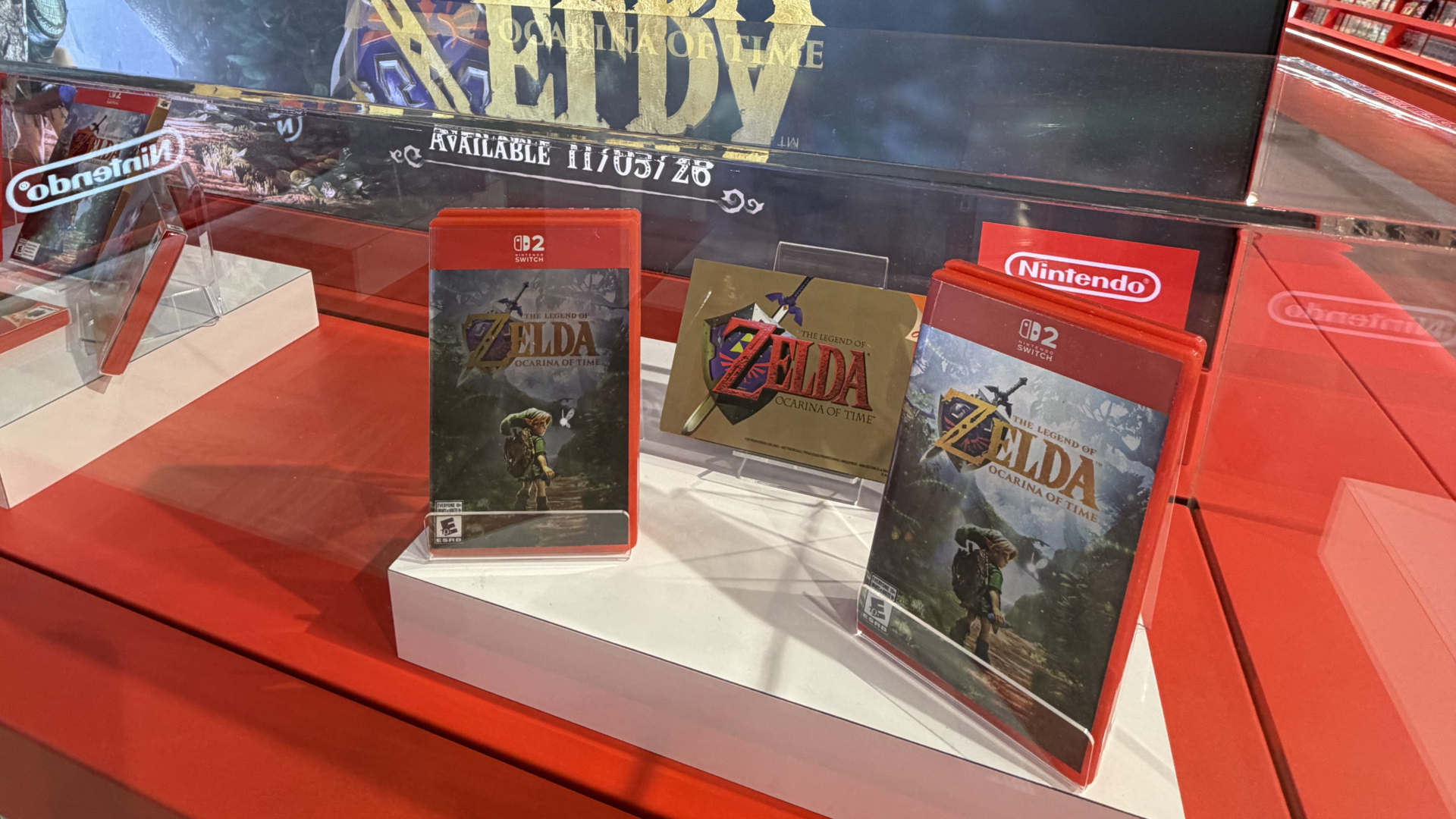
Your First Look at Inside Nintendo’s First Store-Within-a-Store at EB Games Toronto
Nintendo's first North American store-within-a-store opens at EB Games on Saturday, October 17, at 10 AM ET.
In the heart of Shenzhen’s Huaqiangbei district, the Feiyang Times building has garnered international attention as the hub of stolen iPhones. While many devices sold here are legitimate, a significant portion is believed to originate from thefts in Western countries.

A lengthy Financial Times article details how the path of a stolen iPhone often begins on the streets of cities like London, Paris, or New York, where opportunistic thieves snatch devices from unsuspecting victims.
These phones are then smuggled to Hong Kong, a free trade port with minimal import restrictions, facilitating their entry into mainland China. From there, they find their way to markets like Huaqiangbei, renowned for its vast electronics bazaars.
Within Huaqiangbei, the Feiyang Times building stands out. Its third and fourth floors are bustling with vendors specializing in second-hand iPhones, many of which are SIM-locked U.S. models. These phones are particularly sought after for their access to global app stores and, in some markets, lower import duties. Traders from regions like Pakistan and Libya frequent the building, purchasing devices in bulk for resale.
Even iPhones that are locked or have uncrackable passcodes hold value in Shenzhen’s markets. Vendors often dismantle these devices, selling components like screens, circuit boards, and chips individually. This practice ensures that nearly every part of a stolen phone can be monetized, perpetuating the demand for such devices.
Hong Kong plays a pivotal role in this supply chain. The city’s Kwun Tong district houses numerous wholesalers dealing in second-hand electronics. These establishments often label their inventory with terms like “iCloud locked” or “Has ID,” indicating devices that are likely stolen or locked. Traders from Shenzhen regularly visit these wholesalers, purchasing devices to resell or dismantle in mainland markets.

Despite the evident scale of this trade, enforcement remains a challenge. While Hong Kong Customs has made seizures and arrests related to counterfeit goods, the sheer volume of devices and the complexity of the supply chain make comprehensive enforcement difficult.
In Shenzhen, authorities have largely refrained from commenting on these practices, and the management of the Feiyang Times building has distanced itself from the activities of individual vendors.
Want to see more of our stories on Google?

P.S. Want to keep this site truly independent? Support us by buying us a beer, treating us to a coffee, or shopping through Amazon here. Links in this post are affiliate links, so we earn a tiny commission at no charge to you. Thanks for supporting independent Canadian media!