
Meta Drops New Control Tools for Facebook Group Admins
Meta is rolling out powerful new management and safety features to help community admins build and grow healthier online spaces.
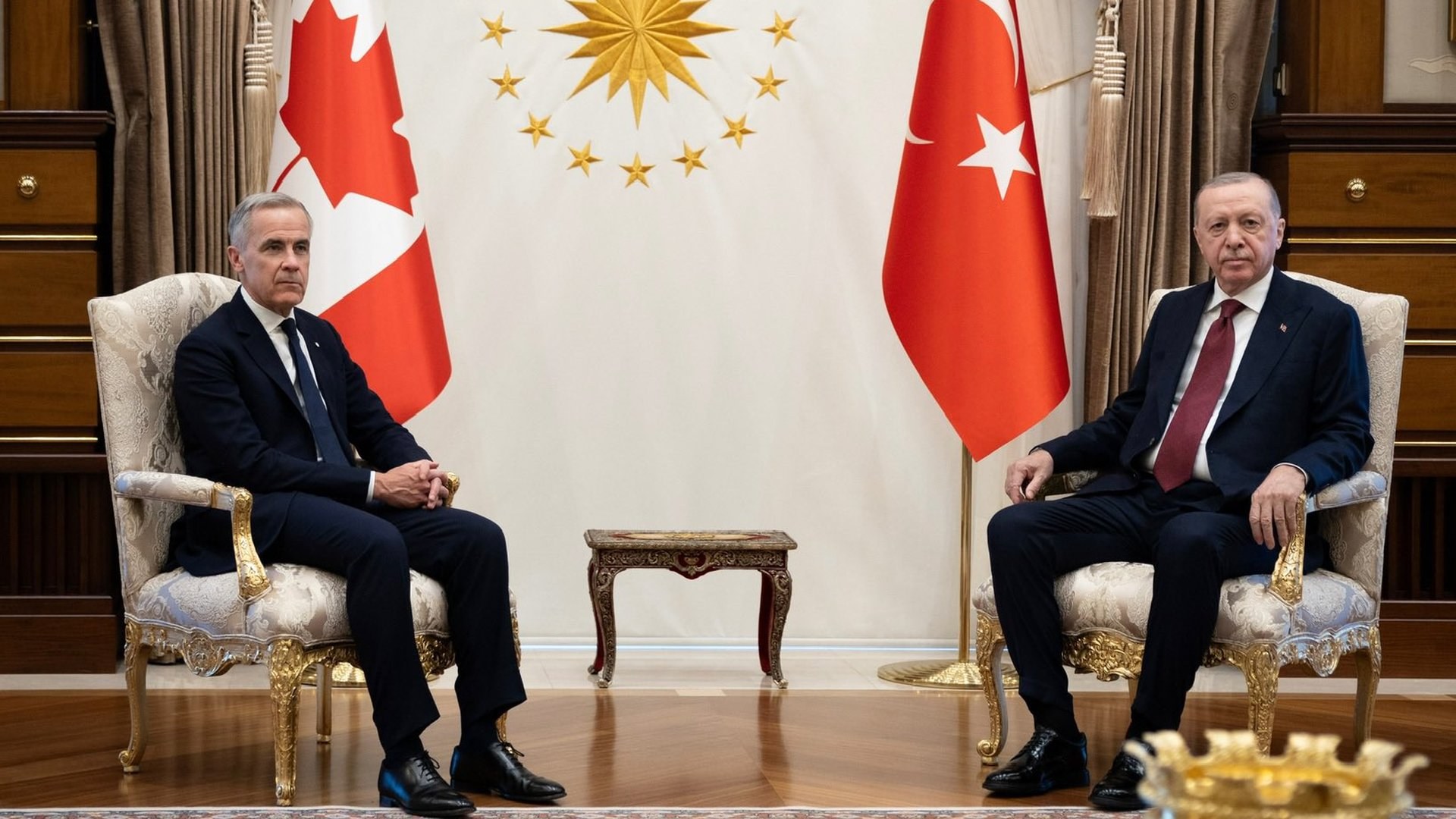
Ottawa has lined up more than $5 billion in federal loans and contracts for Telesat’s Lightspeed satellite network, and Prime Minister Mark Carney now says the Starlink slowdown in Ukraine shows why the country needs an alternative it controls.
The largest piece is a $2.14 billion repayable federal loan signed in September 2024, which also gives the government warrants for 10 per cent of Telesat’s Lightspeed subsidiary. Quebec added a $400 million loan on similar terms, according to Telesat. Ottawa has separately committed $600 million over 10 years to buy Lightspeed capacity for rural internet service.
In August, Canada’s Defence Investment Agency awarded Telesat an Arctic military satellite contract worth about $2.3 billion to start, or roughly $2.7 billion once two option periods are included. Telesat says that deal adds 69 satellites, growing the planned constellation from 156 to 225.
Carney made the case again on Friday at a press conference in Istanbul, Tesla North reported. Asked about the Ukraine slowdown, he said it had “real consequences,” including casualties, and added, “Yes, we are concerned.” He then turned to Canada, saying the country shouldn’t depend on one supplier that might change course or bow to pressure from a foreign government, and admitted Canada is still “highly, highly reliant” on systems based in other countries. The remarks build on his September vow to diversify away from Starlink.
At issue in Ukraine is Starshield, the military-grade version of Starlink that Ukrainian forces use, and who ordered its speed caps is disputed. The Wall Street Journal claimed this week that Elon Musk directed the limits. He has disputed that, saying the US government controls Starshield and decides any restrictions. Ukraine’s defence ministry said Friday that signal loss was still occurring, a day after US President Donald Trump said service had been restored.
Lightspeed is promoted as a sovereign option, but its ownership crosses the border. Telesat trades on Nasdaq and the TSX, and its largest shareholder is New York-based MHR Fund Management, which held about 36 per cent on a fully exchanged and converted basis, according to securities filings. MHR founder Mark Rachesky chairs Telesat’s board. Canada’s PSP Investments, which manages federal public sector pensions, held about 37 per cent when Telesat went public in 2021. The satellites are also booked to launch on SpaceX Falcon 9 rockets.
Washington has noticed the shift. US ambassador Pete Hoekstra said this week that Canada made “a conscious decision” to walk away from SpaceX, adding that the company will find other partners.
Starlink households here won’t see any change for now, since Lightspeed is aimed at governments, businesses and internet providers rather than direct home sales, and Telesat expects global service to begin in the first quarter of 2028.
Is Ottawa’s Lightspeed bet worth billions in public money, or should Canada keep relying on Starlink until a homegrown option is ready?
Want to see more of our stories on Google?

P.S. Want to keep this site truly independent? Support us by buying us a beer, treating us to a coffee, or shopping through Amazon here. Links in this post are affiliate links, so we earn a tiny commission at no charge to you. Thanks for supporting independent Canadian media!


It’s frustrating to see projects that were supposed to be operational in 2024—funded by the initial round of Liberal government loans—delayed yet again, while demanding even more funding.
Current global events have created a convenient backdrop for Carney to fast-track massive government and military contracts to companies led by close associates. Surprisingly, there has been very little pushback from the public, largely because many Canadian taxpayers are distracted by personal politics and a general distaste for Trump.
At the same time, let’s not forget that 15,000 rural Ontarians are still left without internet access because the Premier emotionally cancelled a critical broadband contract, paying a massive penalty to do so at the expense of everyday citizens.