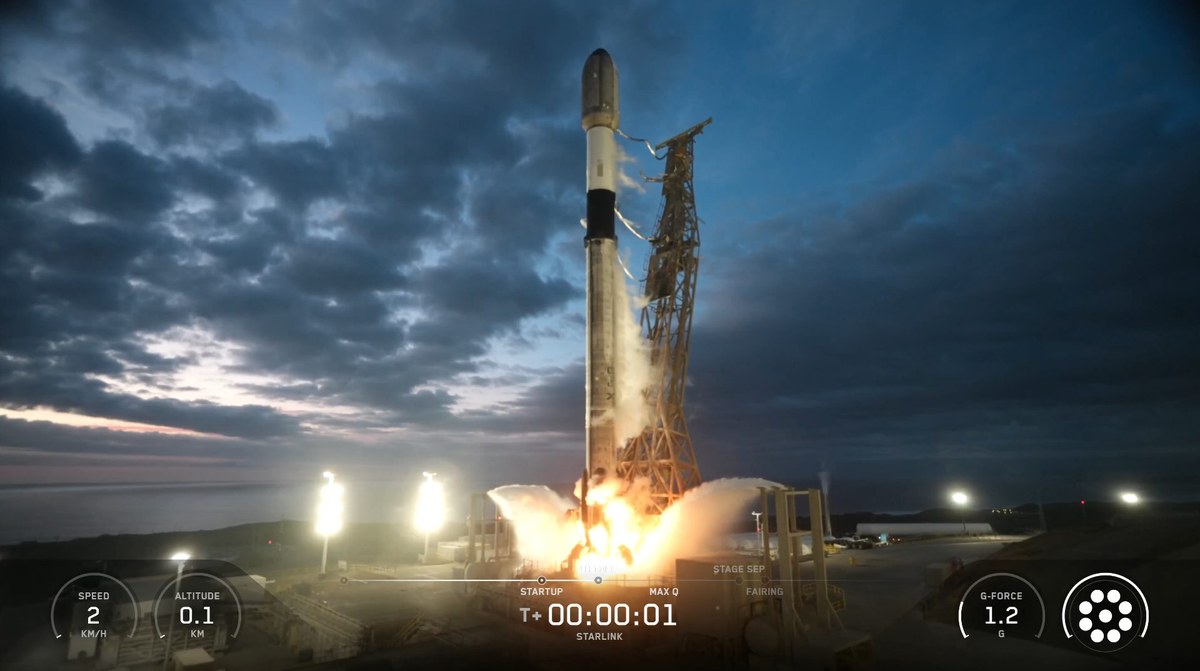
The European Union is reportedly considering giving Canada access to its upcoming IRIS² satellite network, which is being developed as a European alternative to Elon Musk’s Starlink.
According to a report from Rapporteur published Monday, the European Commission is looking at Canada as a possible participant in the satellite communications program. The details of any potential arrangement have not been publicly confirmed.
IRIS², short for Infrastructure for Resilience, Interconnectivity and Security by Satellite, is designed to provide secure communications for governments, emergency services and businesses, along with high-speed internet access in underserved areas.
Official figures put the network at 348 satellites, including 330 in low Earth orbit and 18 in medium Earth orbit. Unlike Starlink, which primarily serves commercial customers, IRIS² places a greater focus on government communications, defence and security.
SpaceRISE is developing the system through a consortium that includes European satellite operators SES, Eutelsat and Hispasat. Government services are expected to become available around 2030.
That report comes just days before Prime Minister Mark Carney hosts European leaders in Montréal for the Canada-EU Summit on October 29 and 30.
Carney is scheduled to meet European Commission President Ursula von der Leyen and European Council President António Costa to discuss closer cooperation on trade, technology, defence and security.
The Prime Minister’s Office has highlighted Canada’s space technology capabilities as one of the areas where the two sides could strengthen their relationship. However, IRIS² is not specifically mentioned in the summit’s published agenda.
Canada already has access to satellite internet through Starlink and is backing Ottawa-based Telesat’s Lightspeed constellation, another low Earth orbit network under development.
That push to diversify comes as SpaceX stops taking new Falcon 9 bookings beyond 2028 and moves customers to Starship, leaving Canadian satellite projects with fewer near-term launch options.
Joining IRIS² could give Canada an additional option for secure satellite communications, particularly for government operations and remote regions where traditional networks are limited.
There are still questions about what Canadian participation would look like. The Canadian Space Agency has previously said IRIS² carries EU security and access restrictions and that no changes to Canada’s access were planned.
Neither Ottawa nor Brussels has publicly announced an agreement to bring Canada into IRIS².
Would you want Canada to join IRIS² as a backup to Starlink?