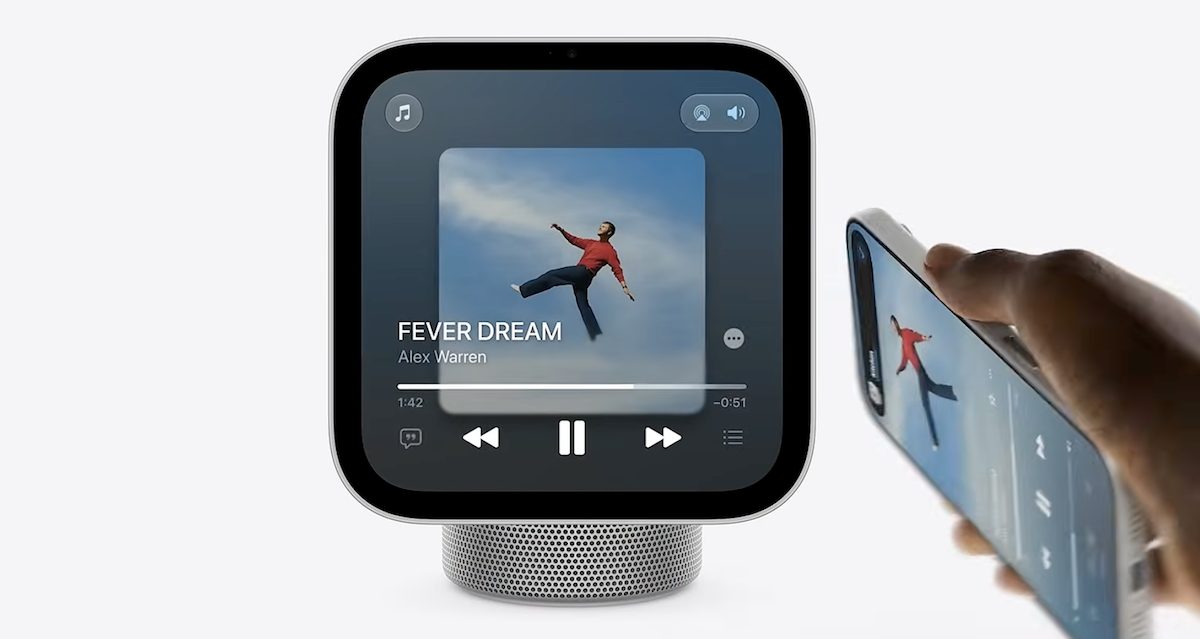
Apple HomeView and New Apple TV 4K Launch Today With Siri AI
The HomeView starts at $429 for the desktop model, with a wall-mounted version available as well.
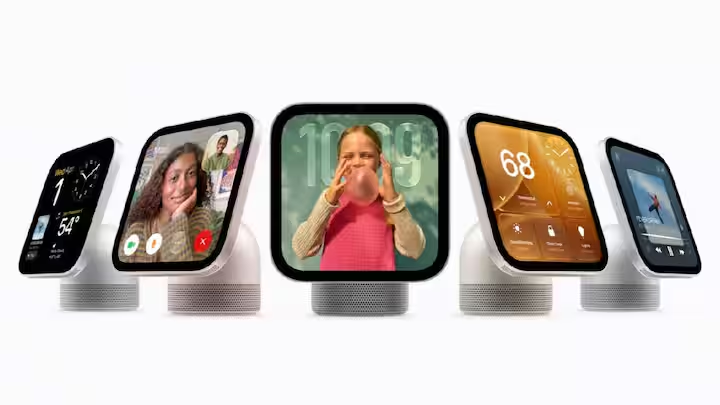
Image credit: Apple
Apple says HomeView was designed around a challenge an iPad does not usually face: letting several people share a screen without sharing their private information. As the smart display arrives in Canada, a new interview offers a closer look at the decisions behind its hardware and household features.
Speaking with TechRadar, Apple’s Matthew Costello and Cecilia Dantas described a product built around Siri and the personal context available on an iPhone. Dantas said messages and calendars come from the phone rather than remaining on HomeView after it leaves. That distinction matters for a device sitting in a kitchen where family members and guests can walk past.
Apple’s published specifications say HomeView recognizes up to six people. Personal content requires both facial recognition and a paired iPhone or iPad that is present and recently unlocked. Camera and microphone processing is separated from the rest of the A18 chip’s software using protected environments called Secure Exclaves. Apple says the processed data is inaccessible to its apps, users and Apple itself.
The physical design also reflects where it will be used. Costello described a weighted base that helps resist tipping when someone touches the display. Speakers handling higher frequencies sit in the screen, while the tabletop base contains the woofer and passive radiators. The wall-mounted version has its own audio compromises rather than simply copying that arrangement.
The 7-inch display can dim to 0.3 nits for a bedside table and brighten to 500 nits. Its interface changes with viewing distance, showing simpler information from across the room and more detail up close. Those everyday adjustments are as relevant as the headline AI features for something intended to stay in one place.
Costello and Dantas discussed those engineering choices in the November 13 interview. Their explanations are Apple’s account of the design, not an independent assessment of its privacy protections. Meanwhile, early HomeView reviews have highlighted software issues, with Apple promising a December Siri update.
Both HomeView models cost $429 CAD, with the regular HomeView available on Amazon.ca. Apple charges extra for the wall mount: Schneider Home’s USB-C option starts at $79.95 CAD, or $109.95 CAD for the AC-wired version. Neither is included in the wall-mounted model’s $429 price. Siri AI launches in English in Canada, with Canadian French promised through a later update.
Would these shared-household features make HomeView useful in your home, or would you stick with an iPad?
Want to see more of our stories on Google?

P.S. Want to keep this site truly independent? Support us by buying us a beer, treating us to a coffee, or shopping through Amazon here. Links in this post are affiliate links, so we earn a tiny commission at no charge to you. Thanks for supporting independent Canadian media!