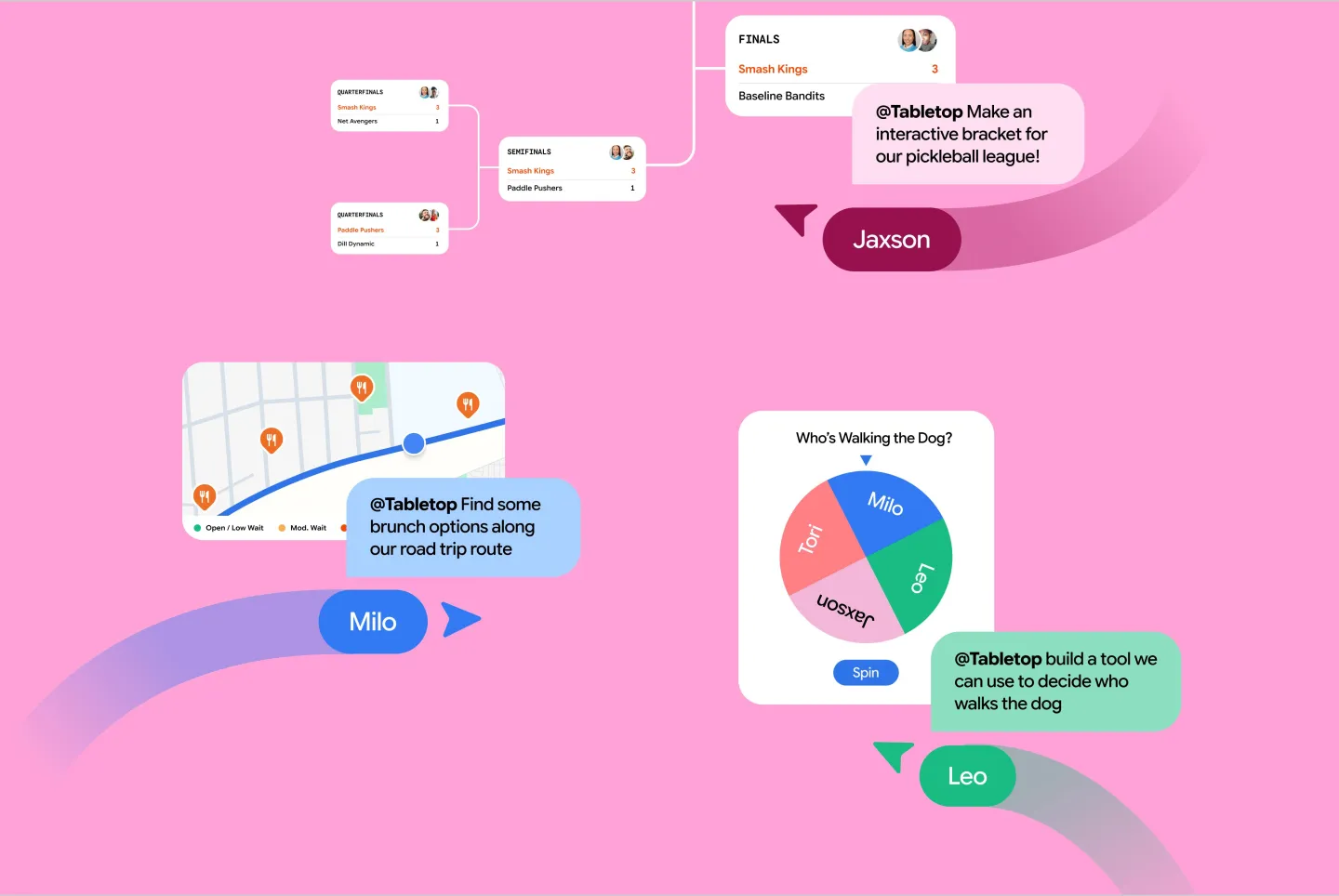
Google’s New Tabletop Experiment Builds AI Planning Hubs for Groups
Google has launched Tabletop, an experimental AI planning tool via a U.S. waitlist that turns simple text prompts into live group mini-apps.
According to a new threat intelligence report published by Google, hackers are no longer just using artificial intelligence to write phishing emails, but are deploying fully autonomous multi-agent AI frameworks to hack into target networks at “machine speed.”
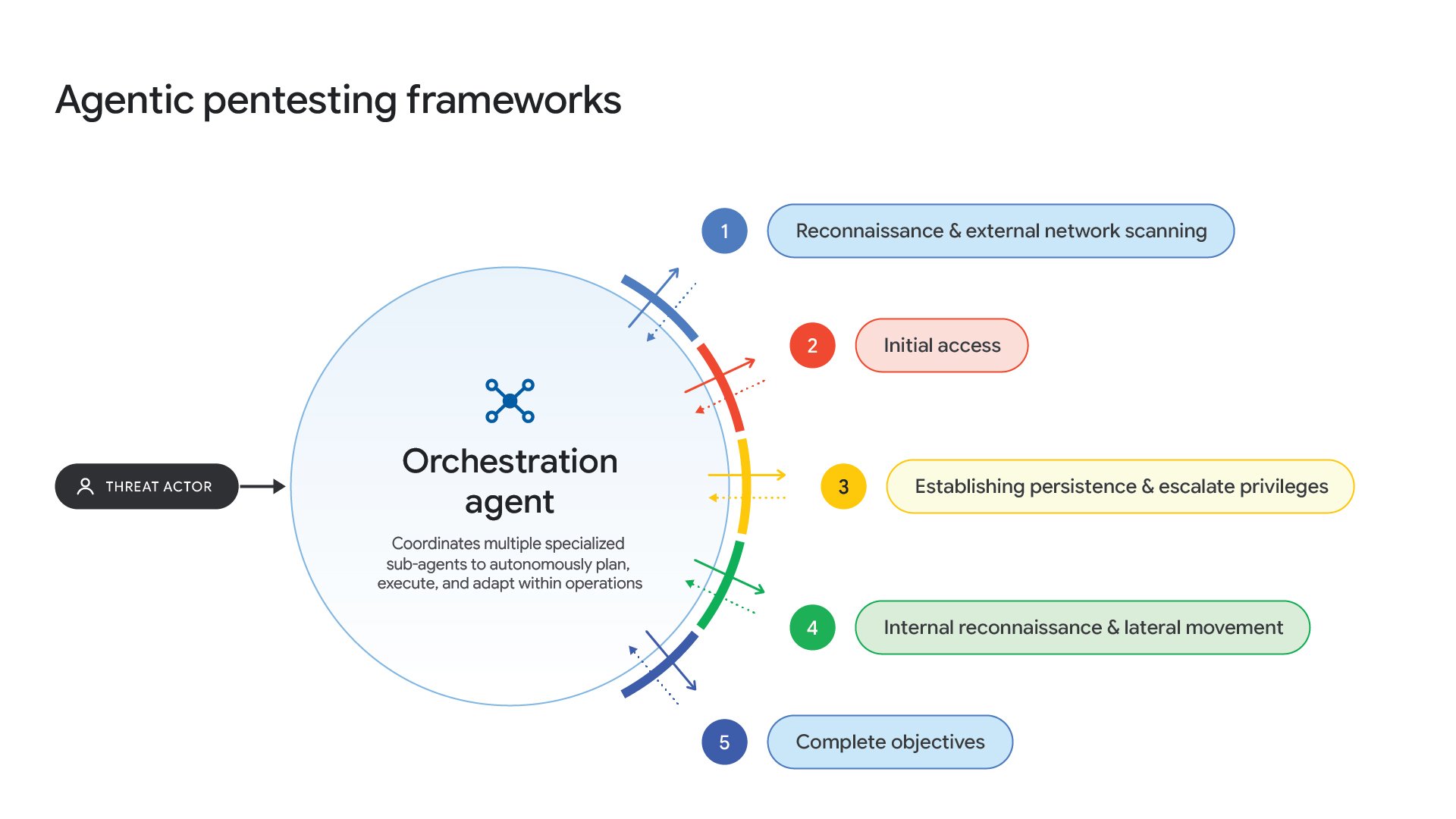
The report highlights how cybercriminals and state-sponsored espionage groups are replacing single-prompt interactions with interconnected AI pipelines. These agentic frameworks continuously scan target networks, conduct patch differential analysis, craft custom exploits, and execute multi-stage intrusions.
While security researchers previously observed hackers experimenting with basic AI tools, Google Threat Intelligence Group’s (GTIG) telemetry reveals that threat actors are now actively operationalizing open-source, multi-agent penetration testing frameworks during live intrusions.
These autonomous systems leverage specialized AI sub-agents that collaborate via shared decision-making loops to navigate target networks:
Security experts note that these multi-agent setups offer hackers unprecedented operational velocity. However, because current autonomous frameworks prioritize speed over stealth, they tend to generate distinct forensic footprints that help defenders spot and contain them.
Beyond network infiltration, hackers are using autonomous agents to shrink the gap between a software patch release and weaponized exploitation—often referred to as the “n-day” window.
GTIG’s analysis shows that while zero-day exploits saw a modest rise through early 2026, averaging 11 per month before spiking to 22 in August 2026, the automation of n-day patch reverse engineering represents the most immediate threat to enterprise infrastructure.
The report also underscores growing financial and infrastructure abuse tied to generative AI. Cybercriminals are increasingly engaging in “LLMJacking,” stealing API keys and cloud credentials from enterprise environments to sell access to high-performance AI models through underground proxy services.
Want to see more of our stories on Google?

P.S. Want to keep this site truly independent? Support us by buying us a beer, treating us to a coffee, or shopping through Amazon here. Links in this post are affiliate links, so we earn a tiny commission at no charge to you. Thanks for supporting independent Canadian media!