Google’s Gemini 4 Neon Is Here. Who Gets to Use It?
Google is rolling out Gemini 4 Neon to AI Pro and Ultra subscribers for tougher jobs like comparing documents and making sense of spreadsheets.
In a post on the Android Developers blog, Mekka Okereke, GM of Google Play Apps, has outlined new adaptive quality standards and screenshot requirements that will shape how apps look and behave across phones, foldables, tablets, and other big displays.
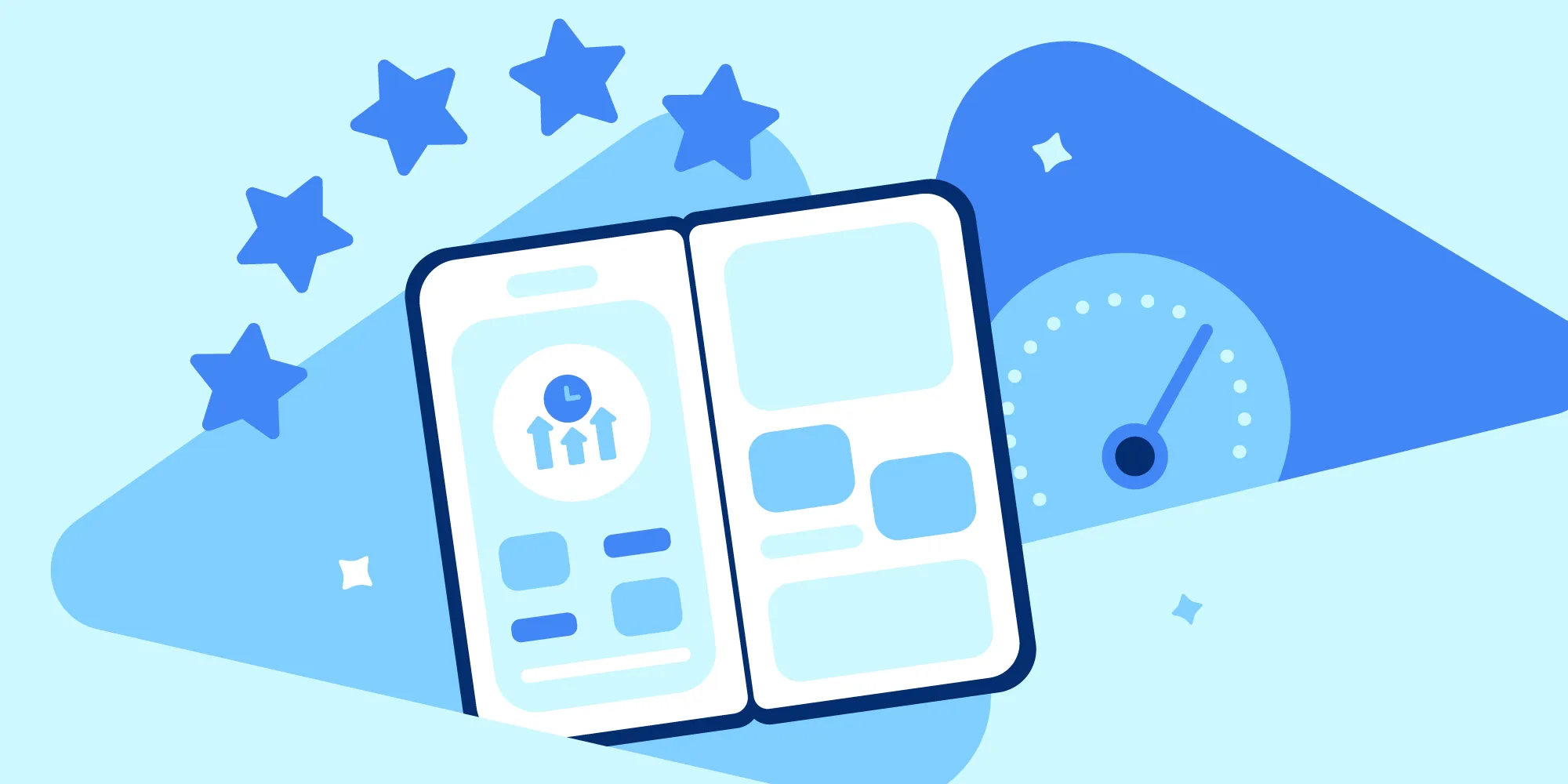
For years, Google has encouraged developers to make their apps work smoothly beyond standard phone screens. Now, the company is attaching clear milestones to that push so users get apps that fill their screens properly and keep their place when a device folds, unfolds, rotates, or resizes.
Google breaks adaptive app quality into three tiers, starting with a basic baseline and moving up to deeper layout and hardware support:
Starting in April 2027, meeting the baseline Tier 3 adaptive quality guidelines becomes a requirement for standard apps on Google Play. Existing apps that are not updated will remain downloadable, though affected listings will face limits on publishing updates and potential visibility impacts.
Meanwhile, apps that reach Tier 2 and Tier 1 can apply for special badging and extra merchandising support on Google Play.
By April 2027, new apps and app updates will need to include dedicated foldable screenshots when submitted. Guidance covers unfolded inner displays such as 1:1 screens found on foldables like the Samsung Galaxy Z Fold8 Ultra and Google Pixel 11 Pro Fold, as well as 4:3 inner displays and optional landscape views alongside standard phone screenshots.
Want to see more of our stories on Google?
P.S. Want to keep this site truly independent? Support us by buying us a beer, treating us to a coffee, or shopping through Amazon here. Links in this post are affiliate links, so we earn a tiny commission at no charge to you. Thanks for supporting independent Canadian media!