
Samsung ViewFinity S8 40-inch Review: One Massive Monitor That Does the Work of Two
Samsung's ViewFinity S8 makes the most sense for someone who uses their PC for a workflow and entertainment.
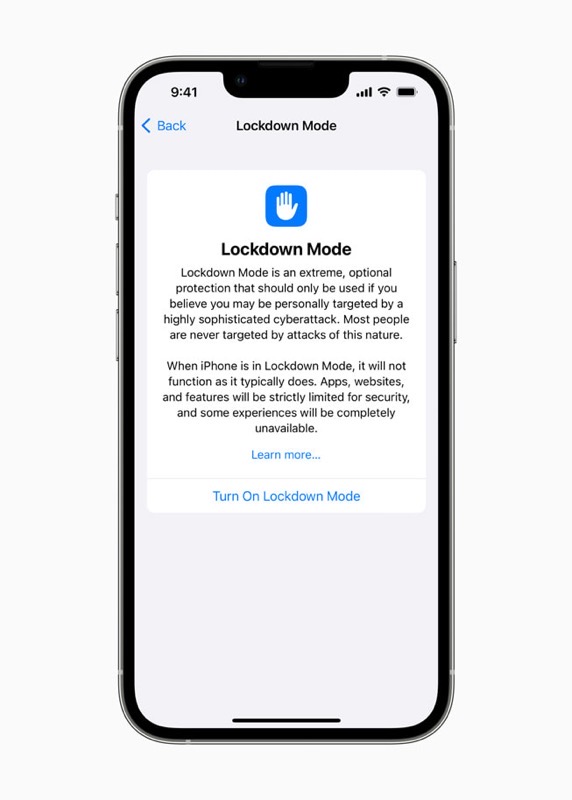
Apple has announced ‘Lockdown Mode’ is coming to iPhone, iPad and the Mac, to protect devices from targeted spyware.
The company says this “groundbreaking security capability” will offer “specialized additional protection to users who may be at risk of highly targeted cyberattacks from private companies developing state-sponsored mercenary spyware.”
Apple says it will also provide a $10 million grant to fund research exposing mercenary spyware threats.
“Apple makes the most secure mobile devices on the market. Lockdown Mode is a groundbreaking capability that reflects our unwavering commitment to protecting users from even the rarest, most sophisticated attacks,” said Ivan Krstić, Apple’s head of Security Engineering and Architecture, in a statement.
“While the vast majority of users will never be the victims of highly targeted cyberattacks, we will work tirelessly to protect the small number of users who are. That includes continuing to design defenses specifically for these users, as well as supporting researchers and organizations around the world doing critically important work in exposing mercenary companies that create these digital attacks.”
Apple specifically called out spyware from the NSO Group and “other private companies developing state-sponsored mercenary spyware.”
Lockdown Mode will be available in iOS 16, iPadOS 16, and macOS Ventura. The feature has already hit the latest iOS 16 betas just now.
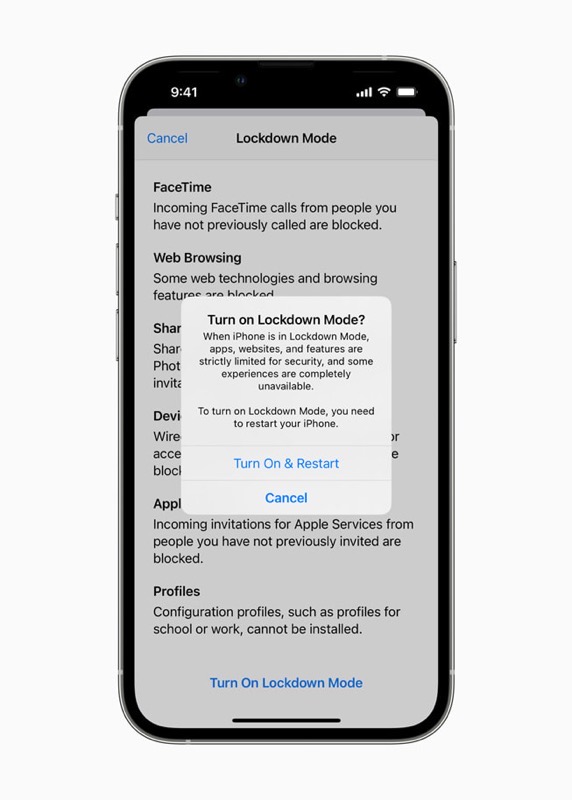
Lockdown Mode will limit features, apps and features, such as:
“There is now undeniable evidence from the research of the Citizen Lab and other organizations that the mercenary surveillance industry is facilitating the spread of authoritarian practices and massive human rights abuses worldwide,” said Ron Deibert, director of the Citizen Lab, a research group at the University of Toronto, in a statement.
“I applaud Apple for establishing this important grant, which will send a strong message and help nurture independent researchers and advocacy organizations holding mercenary spyware vendors accountable for the harms they are inflicting on innocent people,” added Deibert.
Apple says its security bounties are doubled for qualifying findings in Lockdown Mode, offering up to $2 million USD, emphasizing it was the highest maximum bounty payout in the industry.
Want to see more of our stories on Google?

P.S. Want to keep this site truly independent? Support us by buying us a beer, treating us to a coffee, or shopping through Amazon here. Links in this post are affiliate links, so we earn a tiny commission at no charge to you. Thanks for supporting independent Canadian media!


So we got Air Tags for GPS, we can also leave Air Pods behind as listening devices and now Apple is giving us the power to lockdown someone’s phone remotely before we attack them so they cannot call for help?
These doors Apple is creating work and open both ways…
From little information they’ve released it doesn’t seem that it would be possible to lockdown device remotely. That is the whole point, putting the control over one’s device in their hands. Also, if it would be possible for attacker to remotely lockdown someone’s phone, that would prevent the attacker to access the phone from then on. Lockdown is focused to insulate the device from potential incoming threats, not to prevent outgoing communication.