Ford executive Doug Field used a new company blog post to spell out how the automaker thinks about in-car technology and why it says smart features should be built for everyday buyers, not just luxury vehicles.
Field, Ford’s chief EV, digital, and design officer, said the auto industry has spent years piling on screens, sensors, and computing power that push prices higher while keeping the most useful features out of reach for many drivers.
“For too long, the auto industry has been in a race to apply technology to products,” Field wrote. “Too often, the most meaningful innovations end up reserved for the elite.”
According to Field, Ford’s approach starts with usefulness and affordability, especially for families and workers who rely on Ford vehicles as daily tools. He compared this philosophy to Henry Ford’s original push to make cars accessible to the masses.
“If a feature doesn’t solve a real problem or make you smile, customers shouldn’t have to pay for it,” Field wrote. “If it doesn’t reach the many, it isn’t a revolution, it’s a luxury.”
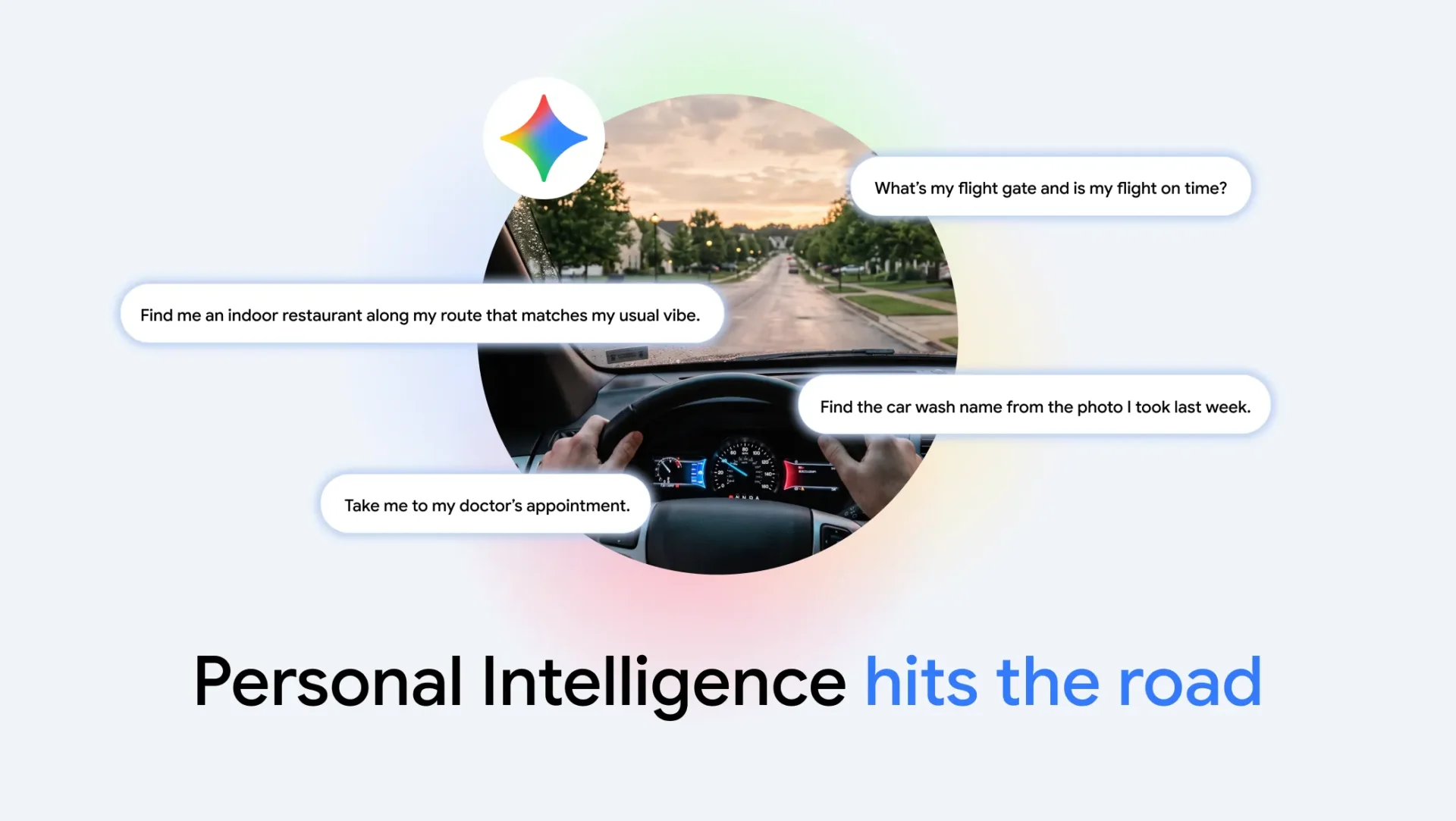
In the post, Field highlighted a new Ford AI assistant designed to work across a driver’s phone and vehicle. Rather than offering a generic chatbot, Ford wants the system to understand what vehicle a customer owns and what they are trying to do. One example described snapping a photo of bags of mulch at a hardware store and asking how many would fit in a specific truck bed.
Field said the AI assistant will first launch in the Ford and Lincoln mobile apps starting in early 2026, reaching up to 8 million customers, with a built-in in-vehicle version planned for 2027.
The post also focused on BlueCruise, Ford’s hands-free driving system. Field argued that advanced driving features should not be limited to high-priced vehicles, saying Ford’s decision to build its own software and hardware has helped lower costs.
“With 1.2 million BlueCruise-equipped vehicles already on the road, we are able to learn from real-world miles to continuously improve the experience,” he wrote.
Field said Ford can deliver more advanced driver-assistance capability at roughly 30 percent lower cost by keeping development in-house. New hardware and software are planned to arrive starting in 2027 on Ford’s upcoming Universal Electric Vehicle platform, with Level 3 eyes-off driving targeted for 2028.
Field also pointed to Ford’s work on vehicle electronics, noting the company has spent more than seven years building its own internal systems, now deployed across 35 million vehicle modules. That work has led to a more centralized “vehicle brain” that combines infotainment, driver assistance, audio, and networking into a single computing module.
“The industry is at a crossroads,” Field wrote. “Many are outsourcing the soul of their machines and saving their best work for their most expensive vehicles.”
Field said Ford’s goal is to keep advanced technology usable and affordable, arguing that “the only innovation that matters is the kind you can actually use.”
You may recall Field as Apple’s former car project chief, who departed the company in 2021 to head to Ford.