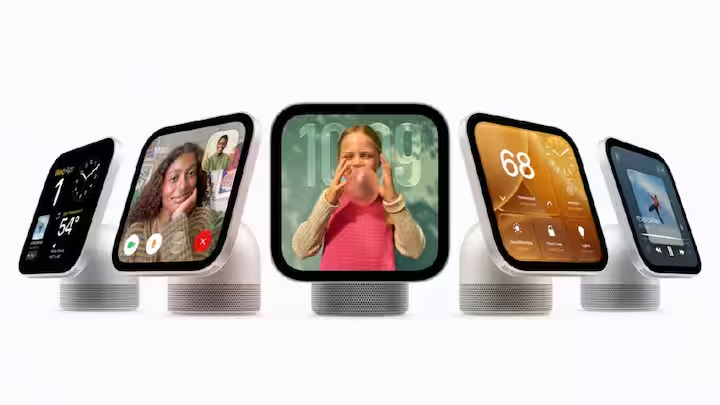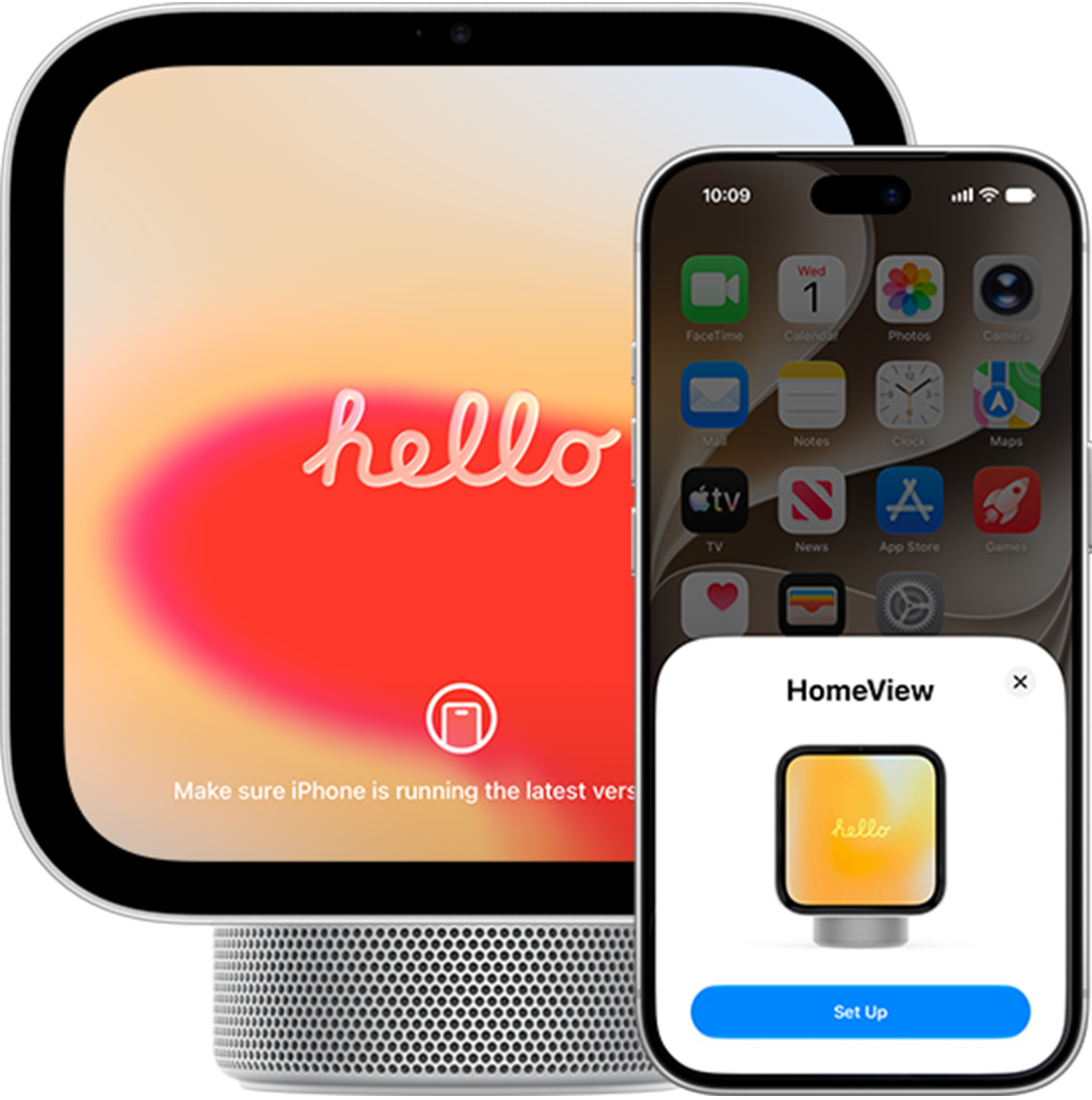
HomeView Launches in Canada Without Canadian French Support
Canadians picking up the HomeView today will notice one immediate omission i.e. Canadian French-language support is missing at launch.
When a camera or microphone sits in your living room, it is natural to wonder what happens to all that audio and video data in the background. With HomeView, Apple is attempting to address these worries with a completely new hardware security approach.
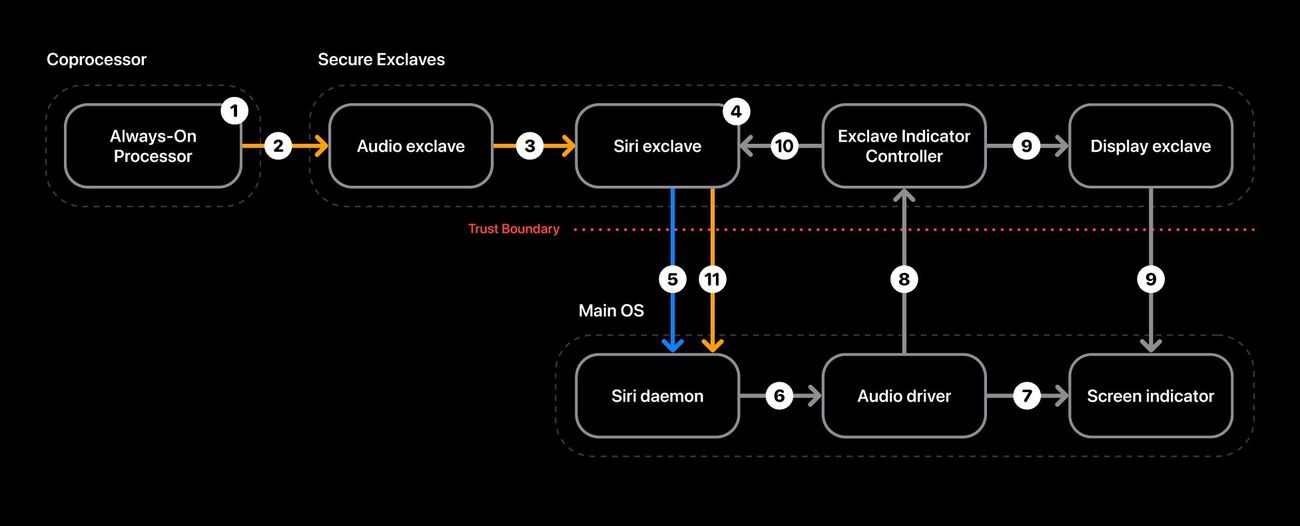
Apple has detailed its new architecture centred around a concept called Secure Exclaves. This system is designed to power features like HomeView, which can recognise up to six different household members to offer a personalised experience. To make that happen, the device relies on continuous ambient sensing using its built-in microphone and camera.
The main challenge with ambient sensing is that it needs to listen for voice commands or look for familiar faces without actually recording your private conversations or saving video streams. Traditionally, hardware indicator lights help users know when a camera or microphone is active. However, those simple LED lights will not work for background ambient sensing.
If the light stayed on constantly while the device waited for a command, it would defeat the purpose entirely, and users would never know the difference between background listening and active recording.
To solve this puzzle, Apple created Secure Exclaves. These are heavily protected and compartmentalised computing environments built directly into Apple silicon. When a camera or microphone captures data for background tasks, those raw video and audio feeds stay completely locked inside the secure enclave.
The main operating system, third-party apps, and even Apple cannot access the raw information. The system only shares tiny snippets of metadata, such as confirming whether a recognised person is nearby, and immediately discards the raw sensor streams once processing finishes. Next, communication between the isolated exclaves and the rest of the device happens through a restricted framework written in the Swift programming language.
Finally, when a device transitions from background ambient mode to an active session, such as a video call or a direct conversation with an assistant, the system must clearly notify the user. Apple implemented a dedicated Exclave Indicator Controller to manage this.
By moving these privacy controls straight down into the silicon layer, Apple is setting a much higher bar for how consumer electronics handle sensitive sensory data.
Want to see more of our stories on Google?

P.S. Want to keep this site truly independent? Support us by buying us a beer, treating us to a coffee, or shopping through Amazon here. Links in this post are affiliate links, so we earn a tiny commission at no charge to you. Thanks for supporting independent Canadian media!