Samsung Opens One UI 9.5 Beta for Galaxy S26, Canada Left Out
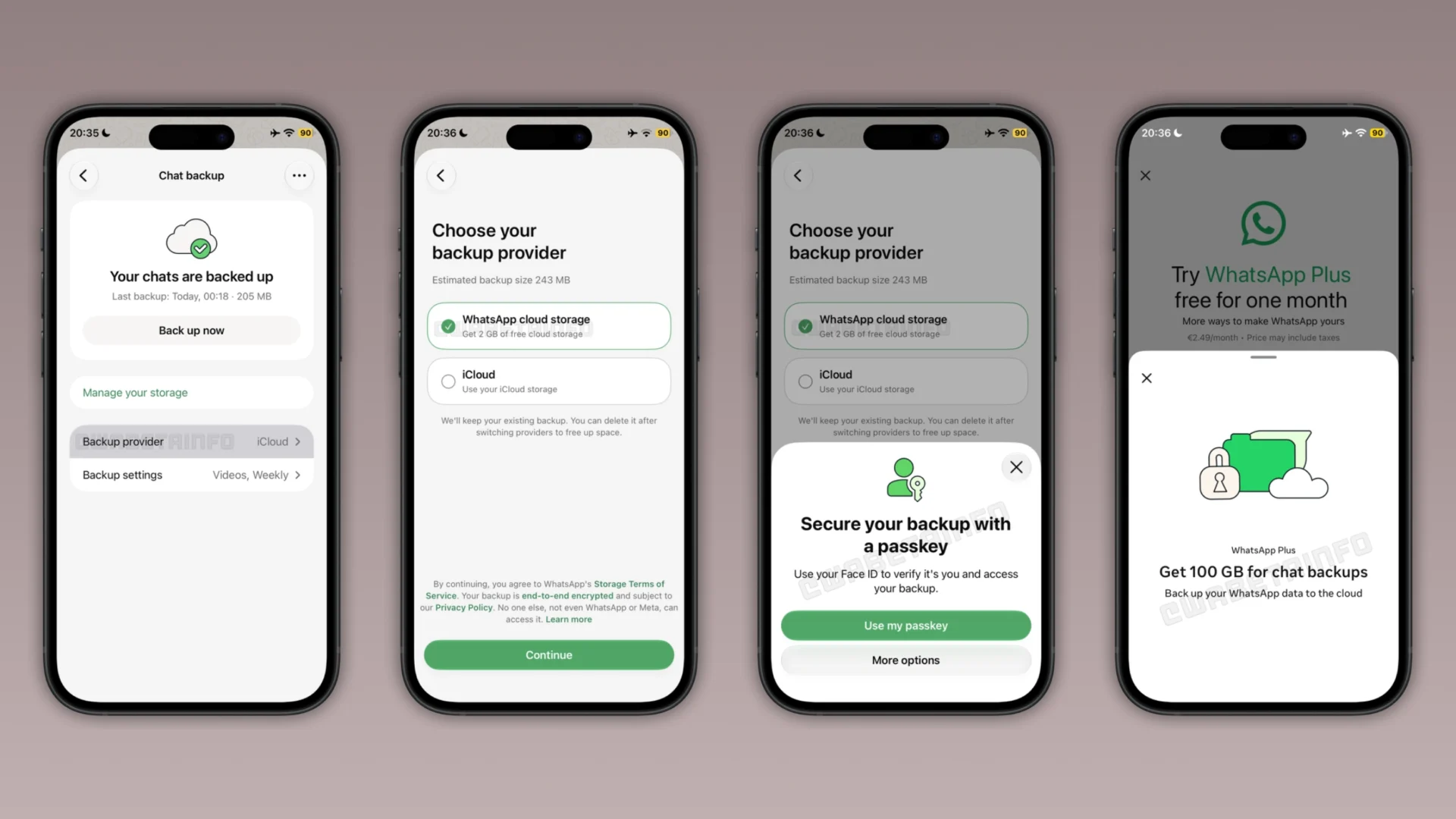
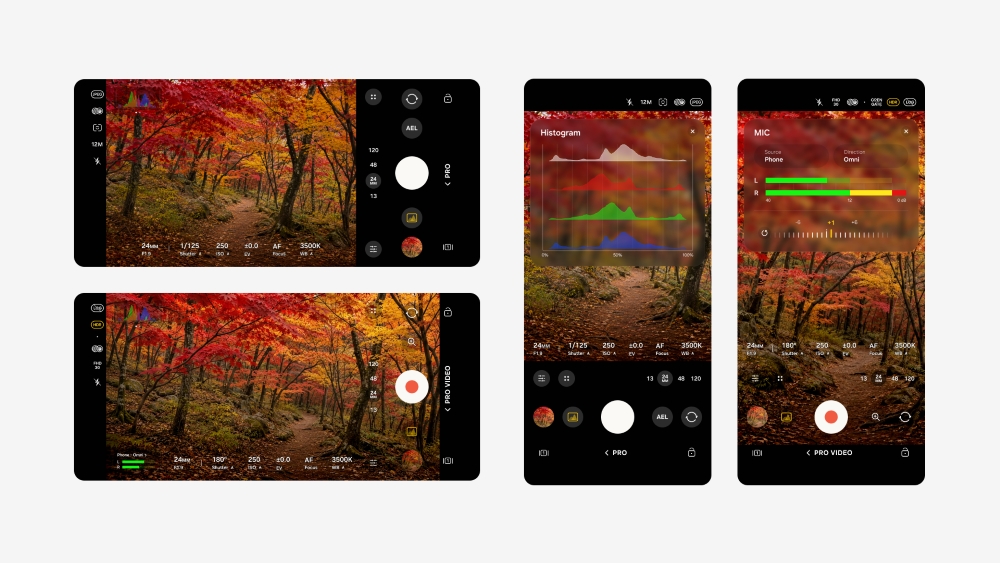
Samsung has kicked off One UI 9.5 beta program for Galaxy S26 series, introducing native app locking, camera upgrades, and more.

Your shopping searches, nearby Wi-Fi networks and even details about photos you never upload can become part of the information an app collects, according to a CBC Marketplace investigation into six popular apps used in Canada.
The tests examined Facebook, Amazon, YouTube, the Weather Network, PC Optimum and Tim Hortons. Some appeared to transmit information to outside businesses, while others collected data without any third-party transfers being observed during the scans.
Joel Reardon’s University of Calgary team examined network traffic on an Android device. Privo, which assesses apps for compliance with U.S. children’s privacy requirements, separately tested the iOS versions.
Facebook appeared to collect information about photos and videos that users had not uploaded after they allowed camera-roll access to share an image. This was metadata, such as filenames, capture dates and camera settings, rather than a finding that Facebook uploaded the unshared images themselves.
For photos or videos users did post, the scan also appeared to show the collection of coordinates identifying where they were taken. Facebook recorded activity inside the app, including scrolling and how long users paused on content.
No transfers to third-party companies were observed for Facebook during the scan. Meta declined to comment on the findings, although its privacy policy describes this collection and says it does not sell users’ information.
Amazon appeared to collect product searches, including sensitive ones, along with the device’s advertising identifier. Researchers did not observe it sending data to outside companies during the test. Reardon noted that a company of Amazon’s size can operate its own advertising network. Amazon said it does not sell customers’ personal data and designs its services to protect privacy and give customers control.
YouTube also showed no observed third-party transfers during its scan, with the data appearing to go only to the United States. A separate check found no targeted advertising while a children’s video played, consistent with Google’s rules for that content. Google said it does not sell personal information.
The Weather Network appeared to send an outside advertising company precise coordinates, local weather conditions and the device’s advertising identifier after the user granted location permission. Reardon said a persistent identifier could connect those updates into a location history.
Parent company Pelmorex said it does not sell user data to third parties or data brokers. It said location is used with permission to deliver local forecasts and relevant advertising, and users can check the weather without granting location access.
PC Optimum appeared to send product-search information to 10 outside companies, including a search for prenatal vitamins. One recipient appeared to receive latitude and longitude together with a device identifier.
The investigation also reported information going to an overseas provider that included the user’s first name, full email address, loyalty membership number and device identifier, plus activity such as opening and using the app.
Reardon and independent analyst Celeste Rollason questioned why so many companies needed access to those searches. Loblaw said it has never sold personal information, continually reviews its protections and uses app information for functions such as online shopping and locating stores.
Tim Hortons appeared to send information to outside companies immediately upon opening. Reardon said an overseas service seemed to receive enough device details to recognize the same phone again, effectively creating a digital fingerprint.
The reported details included the phone’s assigned name and unique identifier, information about its sensors and camera hardware, ringtone and alarm-sound names, and the names of nearby Wi-Fi routers. Reardon noted that nearby network names can help establish a device’s location.
Tim Hortons said the service is used to prevent fraud, protect accounts and stop payment abuse, not for advertising or to bypass users’ marketing choices. It said recognizing an unfamiliar device can help identify someone impersonating an account holder. The company said its provider cannot sell the data and that Tim Hortons does not sell personal information to third parties or data brokers.
The company previously faced a separate 2022 privacy ruling over location tracking, a practice it stopped in 2020. As iPhone in Canada covered, a related settlement later offered eligible users a drink and baked good.
The apps’ policies disclose various forms of data collection and sharing, but the researchers questioned whether all of it was necessary. A promise not to sell information does not mean an app collects nothing or never sends information to a service provider.
Canada’s federal privacy commissioner’s office told CBC the findings raised concerns. Former Ontario privacy commissioner Ann Cavoukian called for stronger protections and urged companies to collect only what they need and delete information once it is no longer required.
On iPhone, App Privacy Report offers a way to inspect recent activity. Go to Settings, then Privacy & Security, then App Privacy Report. Once enabled, it records access to information and sensors such as location, photos, camera and microphone, along with network domains contacted by apps, over the past seven days.
You can also review permissions under Privacy & Security and remove access an app does not need. Reardon and Rollason recommended deleting apps you no longer use. Cavoukian suggested asking companies what they collect, why they need it and when it will be deleted.
Which of these findings would make you reconsider keeping an app on your phone? Let us know in the comments.
Want to see more of our stories on Google?

P.S. Want to keep this site truly independent? Support us by buying us a beer, treating us to a coffee, or shopping through Amazon here. Links in this post are affiliate links, so we earn a tiny commission at no charge to you. Thanks for supporting independent Canadian media!