As long as the search relates directly to the arrest and the police take detailed notes of what they examined and how they did it, law enforcement officials have the right to search the cellphones of people they arrest, the Supreme Court of Canada ruled today.
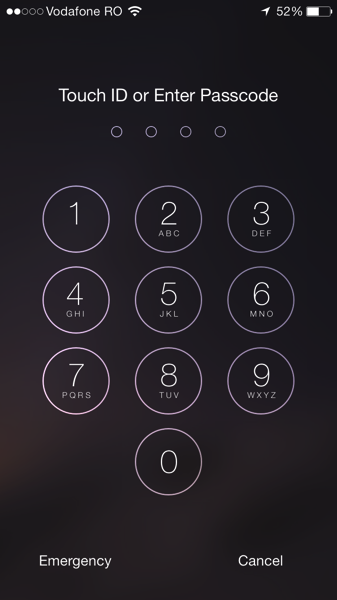
Today’s ruling is highly important, as it may bring consistency to a series of inconsistent Canadian court rulings on this matter. The fact is, the issue is complex and also includes privacy issues, as smartphones are able to carry vast amounts of personal information.
As the CBC report highlights, it wasn’t an easy decision: the Supreme Court of Canada split 4-3, with the idea of a “search done in good faith” overtaking privacy. The majority also found that “passwords protecting phones don’t carry much weight in assessing that person’s expectations of privacy.”
An example of a “search done in good faith”: in the case of Kevin Fearon, who was convicted of armed robbery, law enforcement officials found evidence by doing a search on his phone. He ultimately challenged the search of his phone, saying his rights were violated because the police did not take adequate notes on the action.
Today, however, the country’s top court ruled that searches should be done right after the lawful arrest in order to serve the purposes of the ruling. The police must take detailed notes of what they examined and how they did it, and they must have a “valid law enforcement purpose,” such as protecting the police, the accused, or the public; preserving evidence; or discovering evidence, like locating additional suspects.



What do they mean by password protected phones don’t carry much weight? Does that mean that they can now crack your phone? Locating additional suspects???? people could have tons of contacts on there, and most of them could be harmless. This seems dangerous to me. I do think they should stop crime and investigate, but this seems like a bad precedent
I’m not entirely sure how they believe that a person with password protection on their device does not have an expectation of privacy (which would then require a warrant for it to be accessed). What is next, a lock on a house door doesn’t equal an expectation of privacy?
I hope this is fought and fought hard. its pretty scary, only because the cops in general have issues with conducting investigations properly to begin with. Maybe someone will challenge is constitutionality
This is where TouchID can be a negative. It is impossible to force a password from your mind, but easy for anyone strong enough to force your finger onto the fingerprint sensor.
If you can withstand legal or other forms of coercion to get your password, then your only hope now is to shut down the iPhone or force a reset before surrendering your phone, since the first time after restart you must enter your password before it allows fingerprint authorization.
And they say we are headed towards a police state….
maybe I forget my password 10 times, sorry pigs!
This is a sad news, especially because Police is always abusing their power…
Canada is becoming more USA every day… Oh Canada!!
I’d try and get them to try 10 times as well for auto-erase…but I wonder if they could/would physically force you to deliver your thumb print.
Trying to exploit new technology to take our rights. It wasn’t until about 10 years ago that people started walking around with mass storage devices that can store and archive literally years worth of personal data. Data that never would have been accessible without a warrant before the smartphone era. This is not right.