Google is expanding its privacy tools by introducing “Results About You” in Canada, a feature designed to help people control their personal information appearing in search results.
This tool offers the detection and removal of personal contact details such as phone numbers, home addresses, and email addresses from Google Search.
A Google spokesperson told iPhone in Canada the service is part of its commitment to safer search experiences. Google’s “Results About You” is a proactive monitoring service, meaning it will notify you when it finds search results that contain your personal information, and then offers an option for you to request it to be deleted.
You’ll continue to be notified if your personal information shows up in Google searches. The rollout of “Results About You” will happen “over the next couple of weeks” in Canada, confirmed the company in an email.

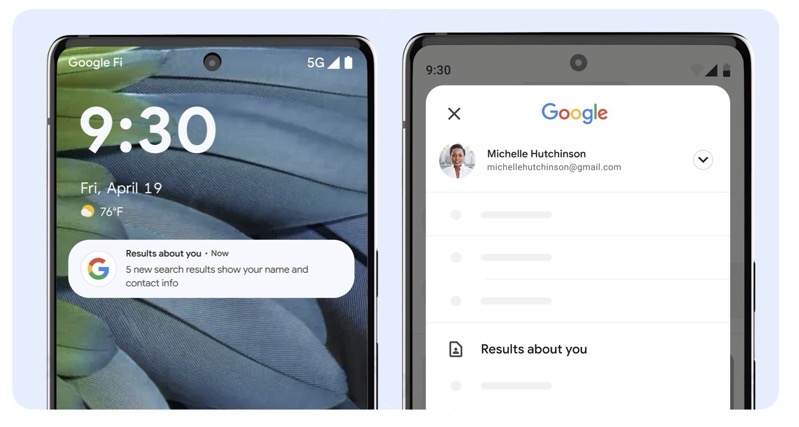
You can access this feature by visiting goo.gle/resultsaboutyou. The Google mobile app will get the feature later in May. You can see how it works in the screenshots above provided by Google. Canadians can use the service by selecting “Results about you” after clicking on their Google account photo within the app.





Does anyone fact check anymore? Error message: This tool is not yet supported in your region.
Does anyone read anymore? “The rollout of “Results About You” will happen “over the next couple of weeks” in Canada, confirmed the company in an email.”
So, the site sharing your info receives a request to remove your info. Seems like a great method for them to confirm their info is valid and up to date.
Years ago, Canada introduced the do not call list. Millions registered to be excluded. The list was then provided to companies so they knew who wanted to not be called. Some of them ended up using it as a validated list of up to date contact info to use for telemarketing.
Great idea, with the best of intentions. What could possibly go wrong? (the hint is that it’s a spyware company offering to protect your privacy…)