
Reddit Is Getting a TikTok-Style For You Feed: Here’s What’s Changing
Reddit is planning to split feeds into a personalized algorithmic For You tab and a dedicated Following tab for subscribed subreddits.
Canadian consumers might want to hold onto their current electronics a little longer as semiconductor giant SK Hynix has revealed that severe memory shortage is projected to persist all the way through 2030.
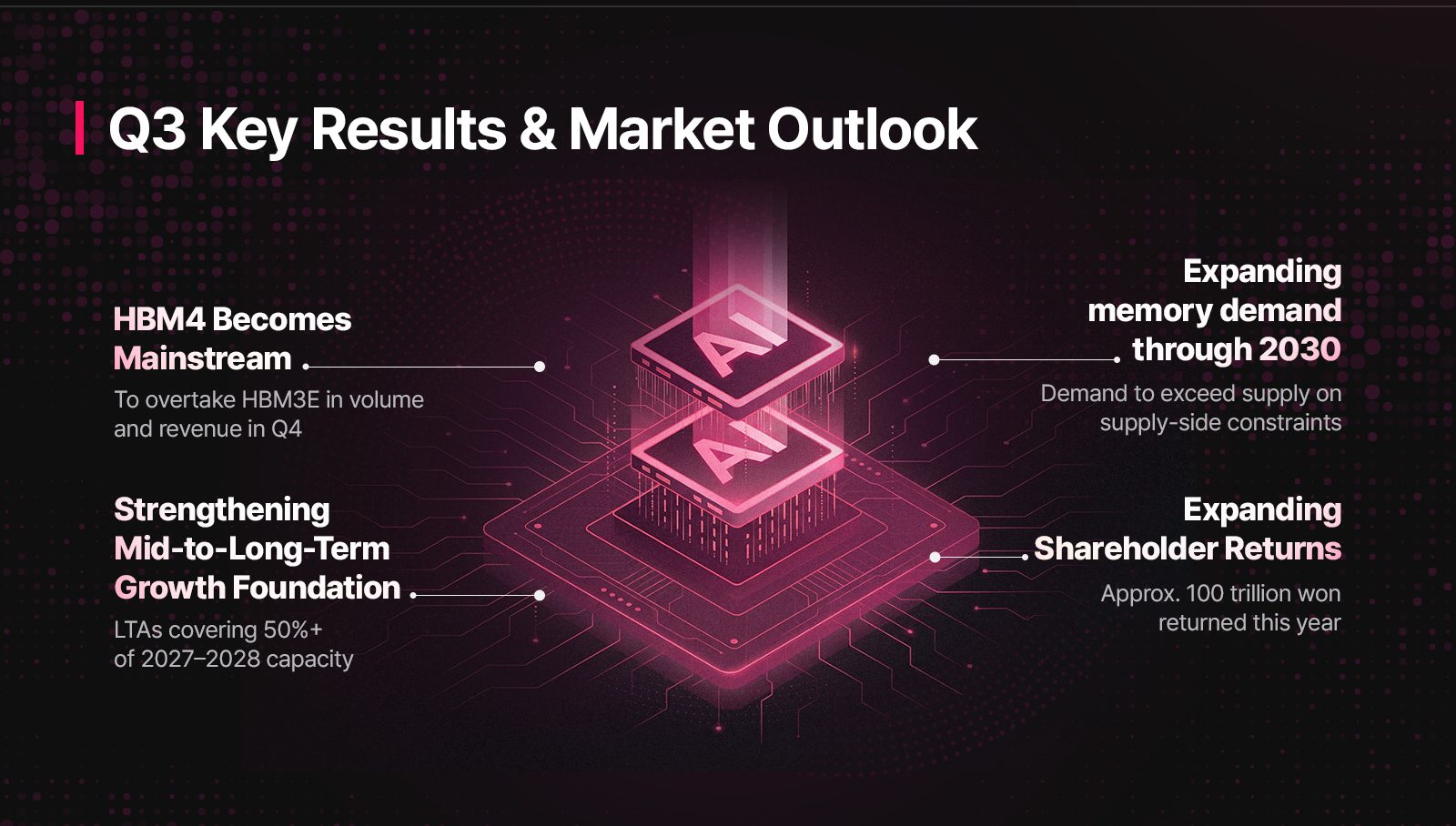
The warning comes on the heels of the company’s blockbuster third-quarter financial results for 2026, where soaring artificial intelligence demand pushed quarterly revenue past 104 trillion won for the first time.
While tech companies are reaping record profits from the AI infrastructure boom, that same frenzy is consuming massive amounts of advanced manufacturing capacity.
According to SK Hynix, the core issue is a widening gap between soaring demand and physical supply limits. While early AI investments were concentrated among a small group of tech giants, adoption is now expanding rapidly into general enterprises and government initiatives worldwide. Over the mid-to-long term, physical AI applications like autonomous driving and robotics will add even more pressure to the supply chain.
On the other side of the equation, manufacturing leading-edge memory chips is exceptionally difficult and expensive. Building new fabrication plants requires massive capital and long lead times, meaning factories cannot simply turn on a switch to pump out more chips overnight.
Because production capacity is heavily tied up in high-end enterprise hardware and HBM components for AI servers, traditional consumer memory components face tightened availability.
For Canadians, this means the electronics market will remain under strain. When component supplies are tight and production costs rise, hardware manufacturers typically pass those expenses down to everyday buyers. Whether you are looking to upgrade your laptop, buy a new smartphone, or build a desktop gaming rig, you can expect to pay higher prices for fewer performance upgrades over the next several years.
Want to see more of our stories on Google?

P.S. Want to keep this site truly independent? Support us by buying us a beer, treating us to a coffee, or shopping through Amazon here. Links in this post are affiliate links, so we earn a tiny commission at no charge to you. Thanks for supporting independent Canadian media!