According to figures compiled by market research firm Omdia, Samsung shipped 57.8 million smartphones during the July-September 2026 period, maintaining its position as the largest smartphone vendor worldwide.
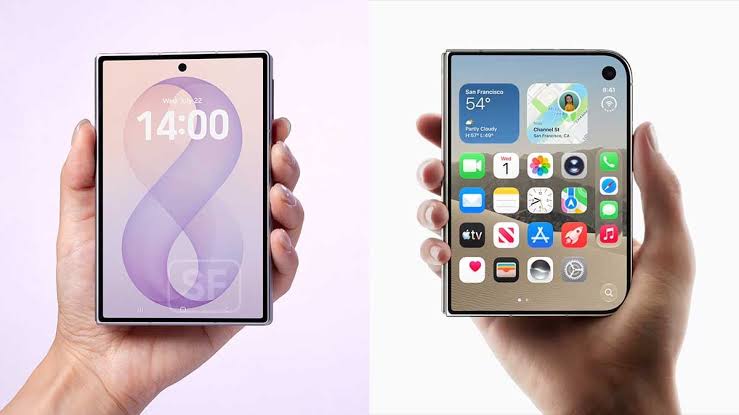
Despite a brutal contraction across the global technology sector, Samsung successfully held its ground at the top of the mobile world. Industry data shows the South Korean tech giant maintained its position as the global smartphone leader, riding out a difficult economic period thanks to strong demand for its affordable Galaxy A series devices and high-end foldables.
While Samsung’s total smartphone shipments saw a modest 5% decline compared to the same timeframe last year, it proved remarkably resilient when stacked against the wider market. Across the entire industry, global smartphone shipments plummeted by a staggering 20%, marking one of the toughest quarters for device makers in recent memory.
On one side, the company’s entry-level and midrange Galaxy A series continued to pull in steady numbers, appealing to budget-conscious shoppers who are tightening their wallets amid shifting economic pressures. On the other side, the launch of the Galaxy Z Fold 8 series gave the brand a vital boost in the luxury and premium tier, capturing the attention of tech enthusiasts looking for cutting-edge hardware.
That balanced approach allowed Samsung to capture a commanding 22.7% share of the global smartphone market. Close behind in second place was Apple, which managed to ship 56.5 million smartphones.
Apple’s figures remained relatively flat year-over-year, securing the Cupertino-based company a 22.2% market share and keeping the race for the top spot razor-thin. Meanwhile, other major competitors experienced much sharper double-digit drops as rising component costs and tighter consumer spending reshaped the competitive landscape.