Asus Zenbook 14 Review: Snapdragon Power in a Travel-Friendly Package
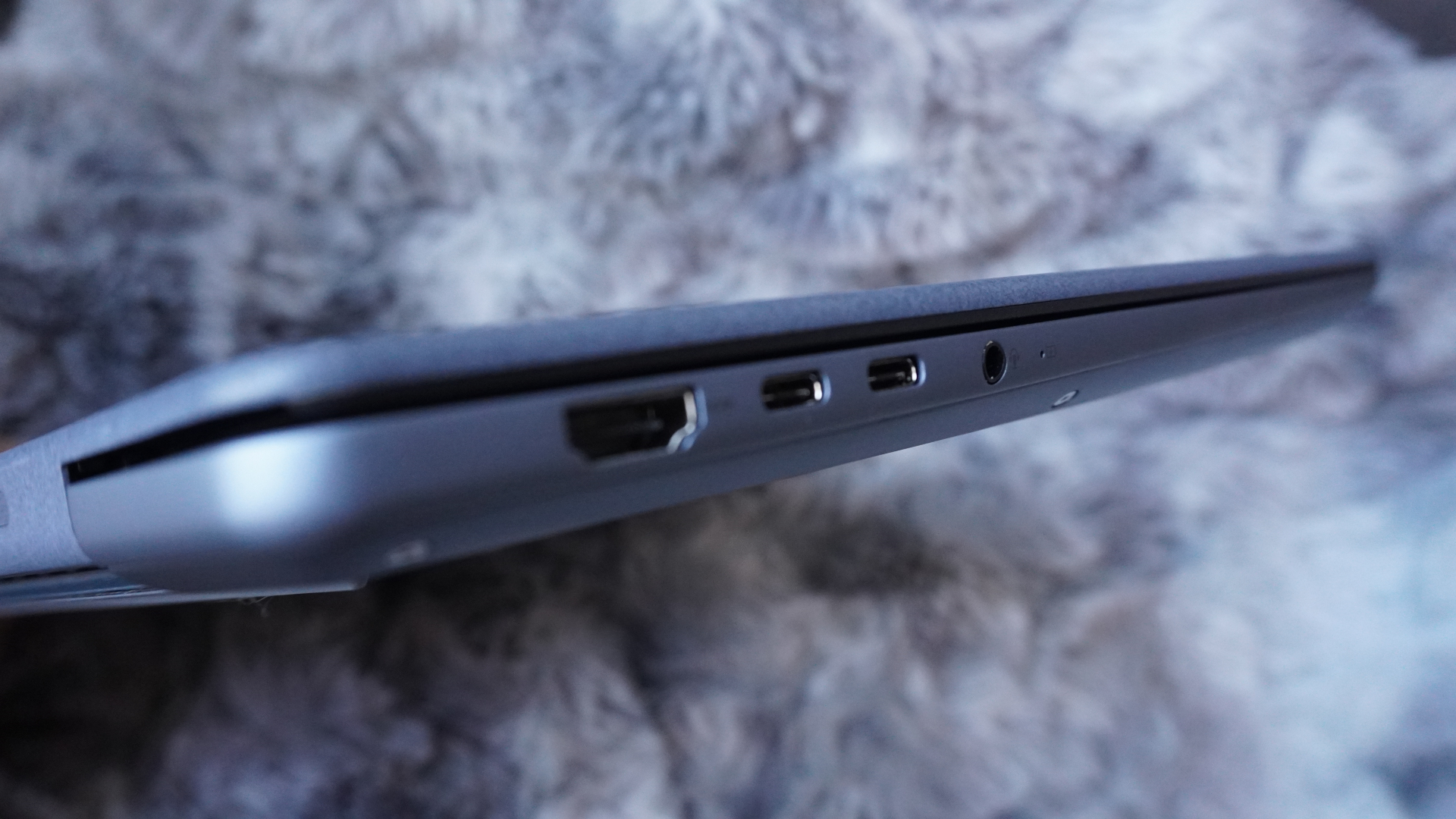
There's a practicality to the Asus Zenbook 14 that I appreciate across its formfactor and display.
Ridley Scott’s Blade Runner and Denis Villeneuve’s Blade Runner 2049 are two of my favourite sci-fi films. I routinely find myself revisiting both, whether it’s to appreciate their production design, performances, or the questions they raise about artificial intelligence and humanity. Naturally, when Amazon announced it was developing Blade Runner 2099 for Prime Video, I was cautiously optimistic.
My biggest concern was whether Blade Runner could sustain itself across eight episodes without running a little long in the tooth. Both films take their time developing their characters and establishing their respective worlds. However, I wasn’t entirely convinced that stretching a Blade Runner story across an entire season of television was necessary.
Having watched Blade Runner 2099, I’m happy to say that showrunner Silka Luisa has largely put those concerns to rest. While the series isn’t without its shortcomings, it’s a fantastic addition to the franchise and one that I’ve thoroughly enjoyed seeing come together.
Taking place 50 years after the events of Villeneuve’s film, Blade Runner 2099 introduces us to a world where the relationship between humans and Replicants has fundamentally changed. Following an uprising, Replicants have established themselves as the dominant population on Earth, with humans now subjected to many of the same conditions Replicants once faced.

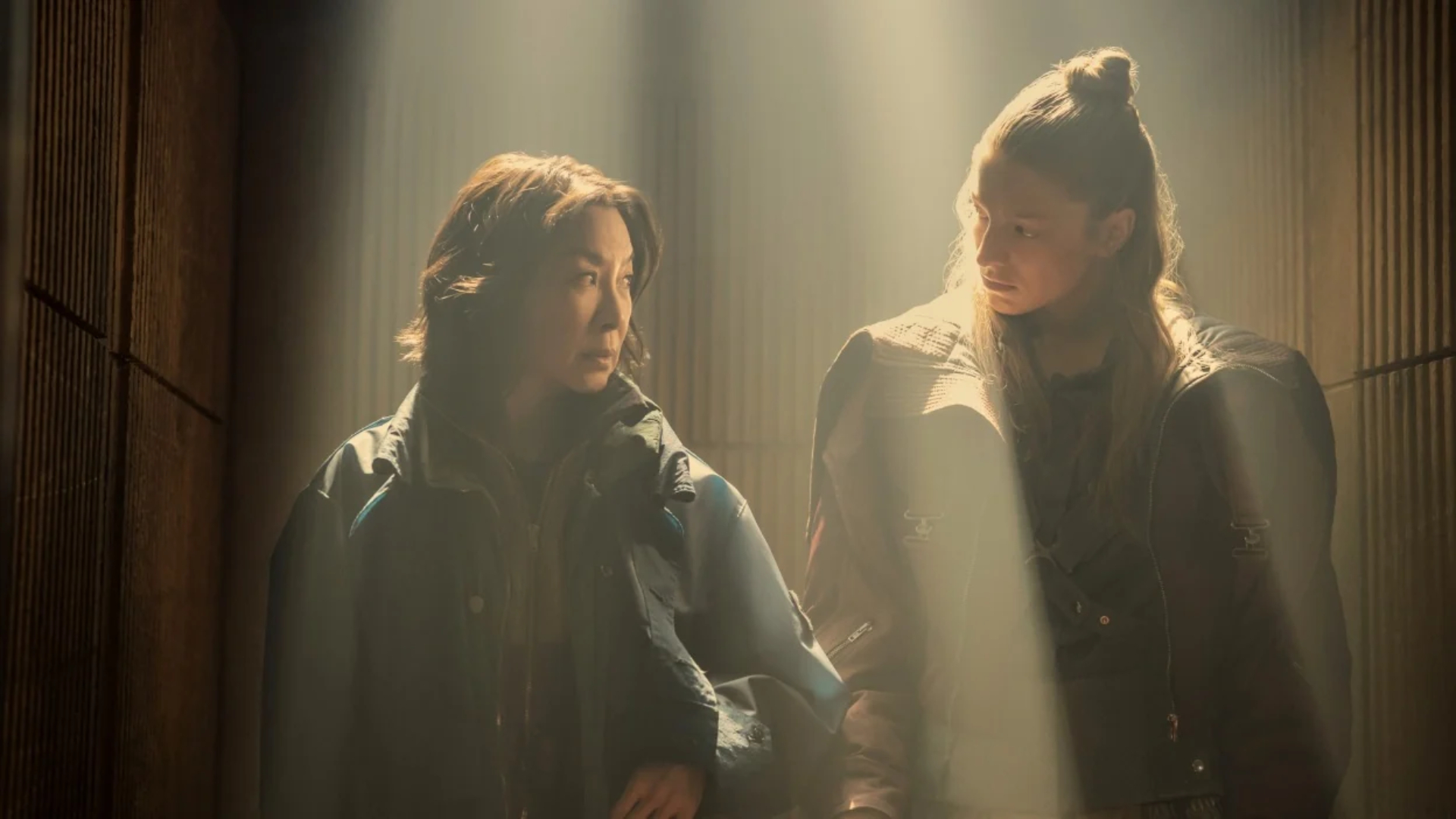
We’re introduced to Cora (Hunter Schafer), a human looking to secure a better life for herself and her brother Elias (Lewis Gribben). Cora eventually poses as a Blade Runner, working alongside Olwen (Michelle Yeoh), a veteran Replicant nearing the end of her lifespan. I really like what Luisa and the writing team have done with the premise. One of the more interesting aspects of Blade Runner 2049 was the prospect of a Replicant uprising. Rather than depicting that uprising as a positive turning point for civilization, 2099 explores some of its unfortunate consequences. Building on the established lore and premise of both the original Blade Runner and 2049, this series fits in nicely, dealing with the consequences and impact of its predecessors.
Seeing Replicants adopt the Blade Runner designation themselves is a particularly interesting development. The series does a good job of exploring how little has changed despite the shift in power. It also gives longtime fans something new to consider when revisiting the previous films.
So much of Blade Runner 2099 hinges on the dynamic between Schafer and Yeoh. Thankfully, both deliver wonderful performances that complement one another. There’s an interesting physicality to Schafer’s performance. Cora must constantly regulate how much of herself she expresses around others. The inherent tension of a human masquerading as a Replicant affords Schafer opportunities to communicate vulnerability through relatively subdued mannerisms. As a fan of Schafer since seeing her performance in Euphoria, I find it entertaining to see her act under much different constraints.
Conversely, Yeoh’s portrayal of Olwen is particularly affecting because of her relationship with mortality. Behind her commanding presence is someone grappling with the realization that the experiences she’s accumulated throughout her life are finite. The irony of Cora suppressing her humanity to survive while Olwen clings to the experiences that give her life meaning doesn’t escape me. Their respective relationships with memory are particularly compelling. Cora carries memories she’d arguably be better off without, whereas Olwen derives a sense of self from experiences she can’t necessarily authenticate.
It’s an appropriate evolution of the conversations surrounding Rachael and K in the previous films. Admittedly, I wish some of the supporting characters were afforded similar levels of introspection. Given the socioeconomic implications of the series’ premise, there’s room to explore how ordinary humans and Replicants have adapted to their circumstances. Occasionally, characters feel more instrumental to Cora’s investigation than representative of the society Luisa is so thoughtfully constructing.
Following in the footsteps of cinematographers Jordan Cronenweth and Roger Deakins is an unenviable task. However, I’m quite fond of how Blade Runner 2099 approaches its visual identity. Rather than relying exclusively on neon signage and rain-soaked streets, the series is remarkably comfortable bringing this world into daylight. Seeing the deterioration of Los Angeles under harsher, more natural lighting strips away some of the romanticism historically associated with its cyberpunk aesthetic.
There’s an ugliness to the world, communicated through its architecture and environmental decay, without sacrificing the artistry that makes Blade Runner so visually captivating.
Composer Leopold Ross also deserves considerable praise. Elements of his score evoke the atmospheric qualities of Vangelis’ work without explicitly replicating it. I’m glad the production team recognized that respecting the franchise’s musical identity didn’t require recycling its most recognizable compositions.
My reservations about an eight-episode Blade Runner series weren’t entirely unfounded. The middle portion occasionally struggles to balance the momentum of its central mystery with its broader world-building ambitions. There are instances where the series reiterates information that could have been communicated more effectively through its characters or environments. That’s particularly noticeable in a franchise that’s historically trusted its audience to draw its own conclusions.
However, I’d argue the benefits of the television format ultimately outweigh those shortcomings. Spending more time with Cora and Olwen lets their contrasting relationships with identity and mortality develop organically. Their partnership wouldn’t necessarily carry the same emotional resonance within the confines of a two-hour film.
More importantly, Blade Runner 2099 delivers a thematically satisfying conclusion without making its existence contingent on another season. As someone who holds both films in such high regard, I’m thrilled that Blade Runner 2099 exists. Luisa understands what makes this franchise special while having the conviction to challenge some of its established ideas. It’s intelligent, emotionally resonant science fiction that rewards contemplation long after the credits roll.
I couldn’t have asked for much more from a return to this universe.
All eight episodes of Blade Runner 2099 are now streaming on Prime Video.
Want to see more of our stories on Google?

P.S. Want to keep this site truly independent? Support us by buying us a beer, treating us to a coffee, or shopping through Amazon here. Links in this post are affiliate links, so we earn a tiny commission at no charge to you. Thanks for supporting independent Canadian media!