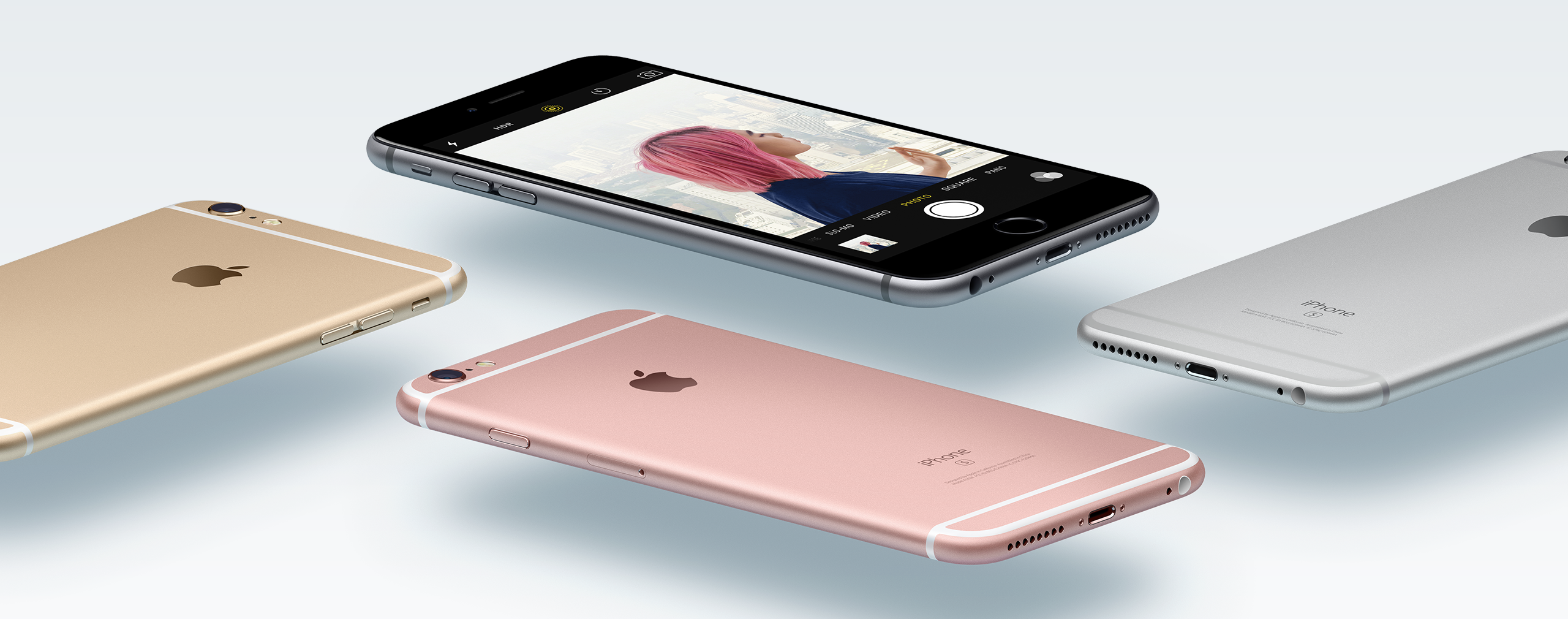
A settlement has been reached between Apple Canada in a class action lawsuit involving certain iPhone models, over allegations of throttling in older models (via MacRumors).
The B.C. Supreme Court will decided whether or not to approve this settlement, with a critical hearing scheduled for January 29, 2024, at the courthouse located at 800 Smithe Street, in Vancouver.
The lawsuit, started in 2018, targets specific iPhone models purchased before December 21, 2017, including iPhone 6, 6 Plus, 6s, 6s Plus, SE, 7, and 7 Plus. These models, running iOS 10.2.1 or later, were allegedly affected by performance throttling leading to premature aging, battery defects, and unexpected shutdowns. The class action also includes allegations of misrepresentation and concealment by Apple.
Under the proposed settlement, Apple has agreed to pay between $11,137,500 CAD and $14,427,500 CAD. This agreement, however, is not an acknowledgment of liability or wrongdoing by Apple, which continues to deny the allegations, according to the settlement website.
The purpose of the upcoming court hearing is to assess whether the settlement is fair, reasonable, and in the best interests of the class members. If the court approves the settlement, all class members will be bound by its terms, unless they opt out by January 10, 2024. Those who opt out will forfeit any benefits from the settlement, including potential monetary compensation, and will not be represented by Class Counsel.
Class members who do not opt out will be automatically included in the class action and will be notified about how to claim their share if settlement funds become available. They will also be legally bound by all court orders and judgments and will lose the right to individually sue Apple over claims related to the class action.
Eventually, those seeking compensation will need to fill out a claim form with their name, mailing address, iPhone serial number and a declaration under oath stating that they “(i) installed or downloaded iOS version 10.2.1 or later (for iPhone 6, 6 Plus, 6s, 6s Plus, and SE) or iOS version 11.2 or later (for iPhone 7 and 7 Plus) before December 21, 2017, and (ii) they experienced diminished performance on that device after the relevant iOS version was installed or downloaded.”
How much can you expect to get paid, if this settlement is approved? The settlement website says, “the payment per Approved Claim depends on the actual number of approved claims and other factors, including Class Counsel Fees, Administration Expenses and any honorariums for the plaintiffs in the Proceedings.”
Back in 2018, Toronto law firm Rochon Genova sued Apple for this alleged throttling and they are listed as one of the class counsels in this class action lawsuit.
We’ll be sure to keep you updated as this progresses–stay tuned.



Not a very big amount considering Apple’s trillion dollar coffers, what’ll that be, $25 per device per person? Had the 6 Plus, 6S, and 7, and all experienced performance throttling at one point or another throughout their use. iPhone 6 was probably the most criminal, so many people upgraded to the 7 because of poor 6 performance and that was all artificial slowdowns by Apple.
Not covered by the class action, but I suspect iPhone 4 (2010) and iPhone 5 (2012) were also subject to throttling, I remember my 5 getting so crazy slow in that second year just before iPhone 6 arrived, I didn’t want to believe the conspiracies, maybe the web just got more bloated, nope it was all Apple.
A lot of misinformation on this so-called “battery-gate”. First of all, the problems were with the iPhones listed: iPhone 6, 6 Plus, 6s, 6s Plus, SE, 7, and 7 Plus. NOT with their batteries. The problem these PHONES exhibited is that they’d crash and shut down with normal use after their batteries naturally aged. The same types batteries these phones used would be fine in other phones – it’s just these listed iPhones that could not handle natural battery aging. So Apple engineers figured out that a work-around to recalling the iPhones would be to slow them down instead. This kept them from rebooting. So the big problem here was that Apple SECRETLY went ahead and slowed these affected phones down. So customers weren’t getting the advertised “2X” performance improvements they were promised in their ads that they paid for.