Why did Apple wait more than a decade to put a finger on a Mac screen?
New Apple CEO John Ternus gave Wired the clearest answer yet in an exclusive interview.
His reason comes down to one rule. Touch could not make the new MacBook Pro worse in any way.
“The Mac is first and foremost an indirect input device, built around the trackpad and keyboard. But I think there’s times when it’s comfortable and handy to have touch,” Ternus told Wired.
That balance only landed once the hardware caught up. Ternus said Apple needed touch that did not trade away what people like about a Mac.
“We needed to get to a point where adding touch didn’t make the product lesser in any way. It didn’t make it heavier. It didn’t make it thicker. That came together with the OLED screen, the best display we’ve ever put into a Mac,” he said. “All of these things, and, oh yeah, it has touch as well.”
For years, that bar kept the feature off the table. Steve Jobs made the case against vertical touchscreens in 2010, a stance we revisited when the glowing Apple logo returned on the same machine. Phil Schiller later argued that reaching up to a fixed display was uncomfortable, and that macOS was built for a pointer, not fingers. In 2021, Ternus still held the line.
“The Mac is totally optimized for indirect input. We haven’t really felt a reason to change that,” he told journalist Joanna Stern that year, according to Wired.
Hardware chief Johny Srouji says a decade changed the math. Display tech, custom silicon, and software finally “met our bar,” he told the magazine.
“Ten years is a very, very long time,” Srouji said. “Many things have changed, whether it’s the display technology, the custom silicon, et cetera.”
Marketing chief Greg Joswiak pointed to who uses these machines. Pros already live on iPhone and iPad, and younger creators expect the screen to respond.
“Most pros own an iPad, and almost every pro owns an iPhone,” Joswiak said. “So this is something that they’re natural with. There’s a generation of young creators and young people using our MacBook Pros that expect to touch.”
Apple also had to fix the messy parts of touch laptops. Srouji said the company rebuilt the thermal system so the panel does not feel hot under a finger, and redesigned the hinge to cut the wobble you get when you press a display.
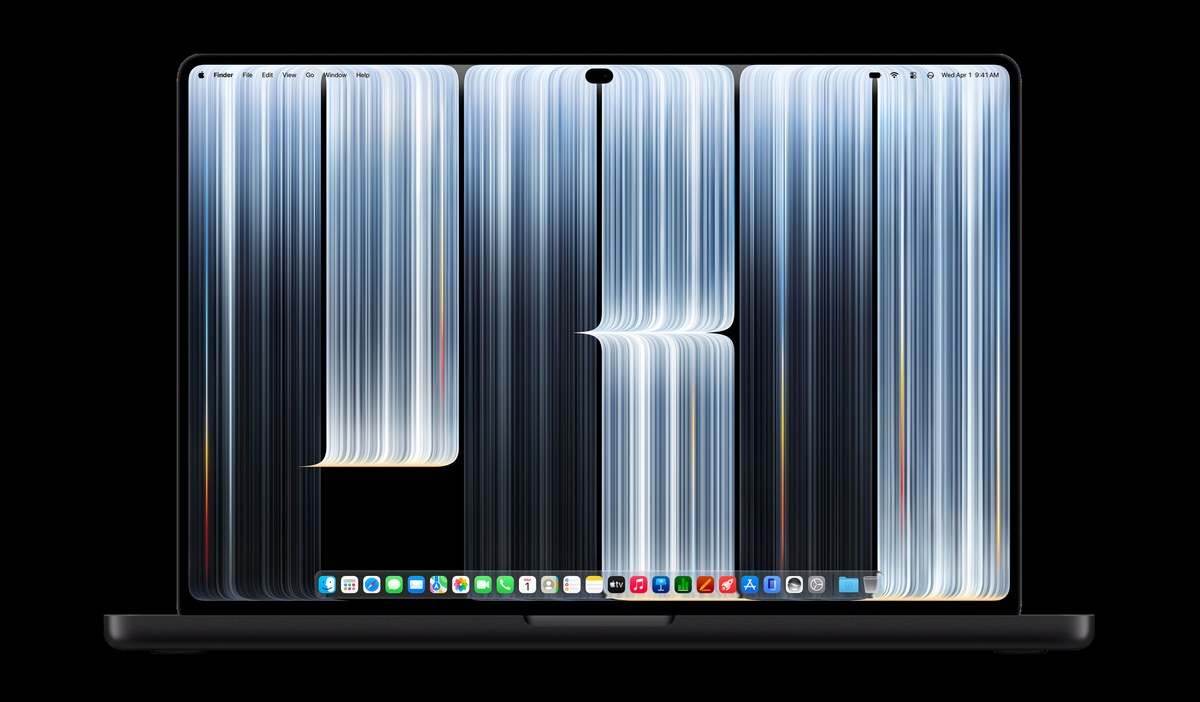
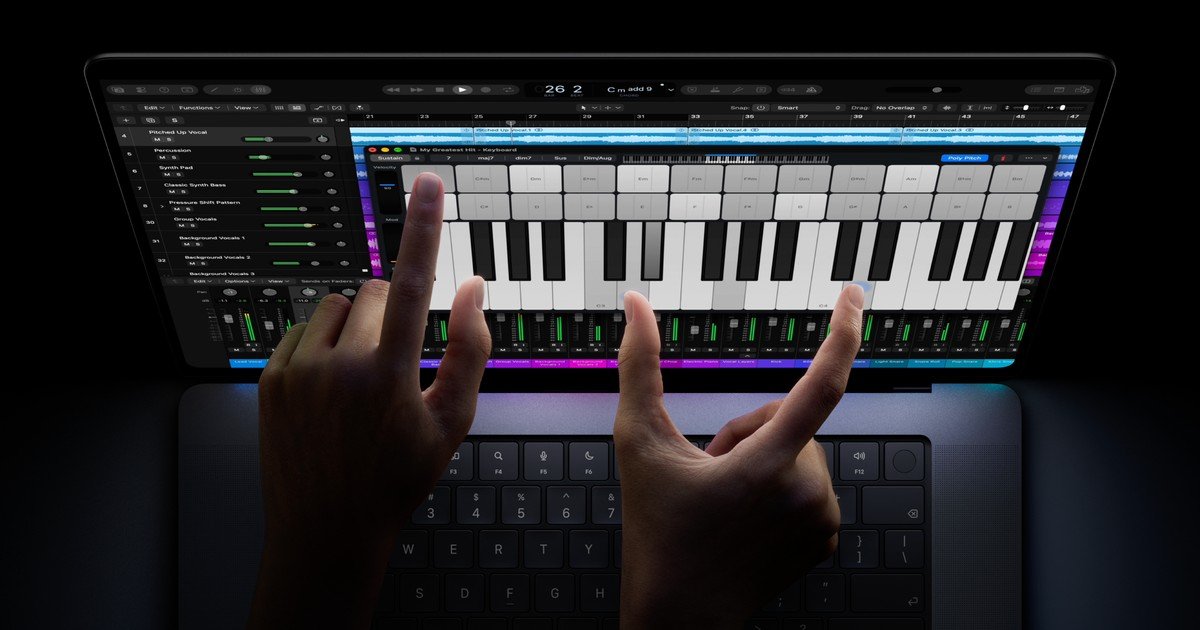
Menu items and the traffic-light window buttons grow when a finger approaches, so macOS stays precise without a full redesign. A new gesture pulls down the Dynamic Island for Siri and Spotlight, which matches what Apple has been telling developers about touch on Mac.
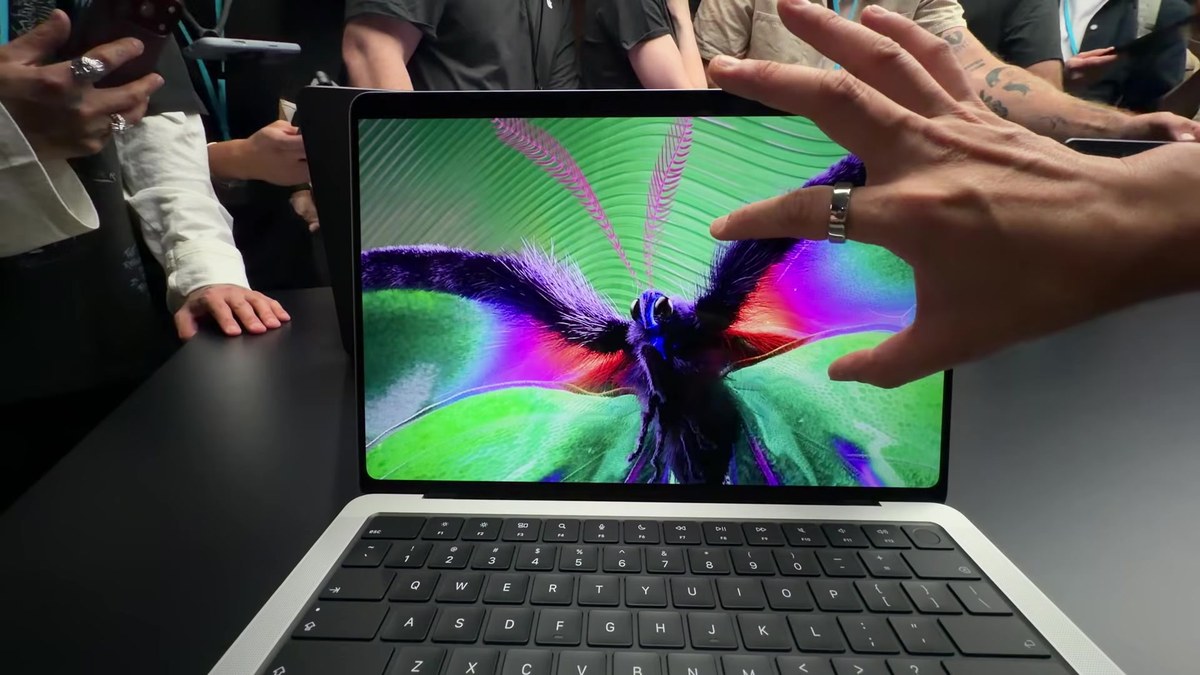
Early hands-on time in Los Angeles has already shown pinch, scrub, and drag feeling natural on the PROLED panel.
Asked whether touch will reach MacBook Air or iMac, Ternus would not go there.
“You’ve been doing this a long time,” he told Wired. “You know I will never tell you anything about our future.”
Will you reach for the screen on a MacBook Pro, or stick with the trackpad?