I have been in the Apple ecosystem ever since picking up an iPhone 4s back in 2011. I remember how exciting, fresh, and new it all was. Learning the ins and outs of the UI, the App Store, and the quirks of iOS at the time. The adoption of Apple’s fifth iPhone set forth a trajectory that saw me follow nearly every generation of Apple’s smartphones over the years. Over time, Apple’s annual iPhone refinements began to feel less bombastic and more routine. New feature sets every 2-3 years with an emphasis on gradual camera improvements. That is, until the iPhone Duo.
Apple’s iPhone Duo is the company’s very first foray into foldables. It feels like a long time coming, as its main competitors, Samsung and Google, have been firmly established in the foldable market for nearly 9 years. It always felt like a matter of when, not if, Apple would take a big swing at a foldable iPhone. After playing with the iPhone Duo and making it my daily driver for over a week, those first impressions confirm that, yes, it’s a big swing. iPhone Duo represents the culmination of ideas that, for the most part, come together nicely. However, those ideas only work for consumers if you’re willing to accept that this is a first-generation product, not one that stands alongside the iPhone 18 Pro lineup.
Apple’s incremental upgrade routine is a safe bet for consumers. As smartphones regularly reach upwards of $2,000 now, many purchasers will likely attest that it’s harder to cheerlead disruptors in the market. I wrestle with that idea myself. If I’m going to buy a new device, I want to know it will work well; it’ll check off all the boxes I look for in a new smartphone. iPhone Duo is an outlier for me. Apple’s take on a passport-style foldable sang to me like a siren, and curiosity got the better of me.
Thank goodness it did. Despite some first-gen hurdles, iPhone Duo has sparked the same curiosity I haven’t felt since the iPhone 4s. It’s a device I’ve been excited to learn about, feel out the quirks and discover new use cases for my lifestyle. Apple clearly understands it’s not the first to market with a foldable, but iPhone Duo is unmistakably Apple by design. The small hardware touches and whimsical display animation when you open the phone make the daily user experience even more interesting. Two weeks in, I’m still enamoured every time I open the iPhone Duo.
Out of the box
Foldable smartphones have been around for a while. Traditionally, you’ve had the book-style foldable, clamshell model or, in rarer cases, the trifold phone. In 2026, we’ve seen the rampant emergence of the passport-style foldable. The short, stout design first appeared with the Google Pixel Fold and was adopted this year by the Galaxy Z Fold 8. Apple drew inspiration from this passport-shaped foldable for the iPhone Duo. The device sports an interesting design, mixing the sharp corners towards the hinge with the company’s commonly used rounded edges, making it feel discernibly familiar.

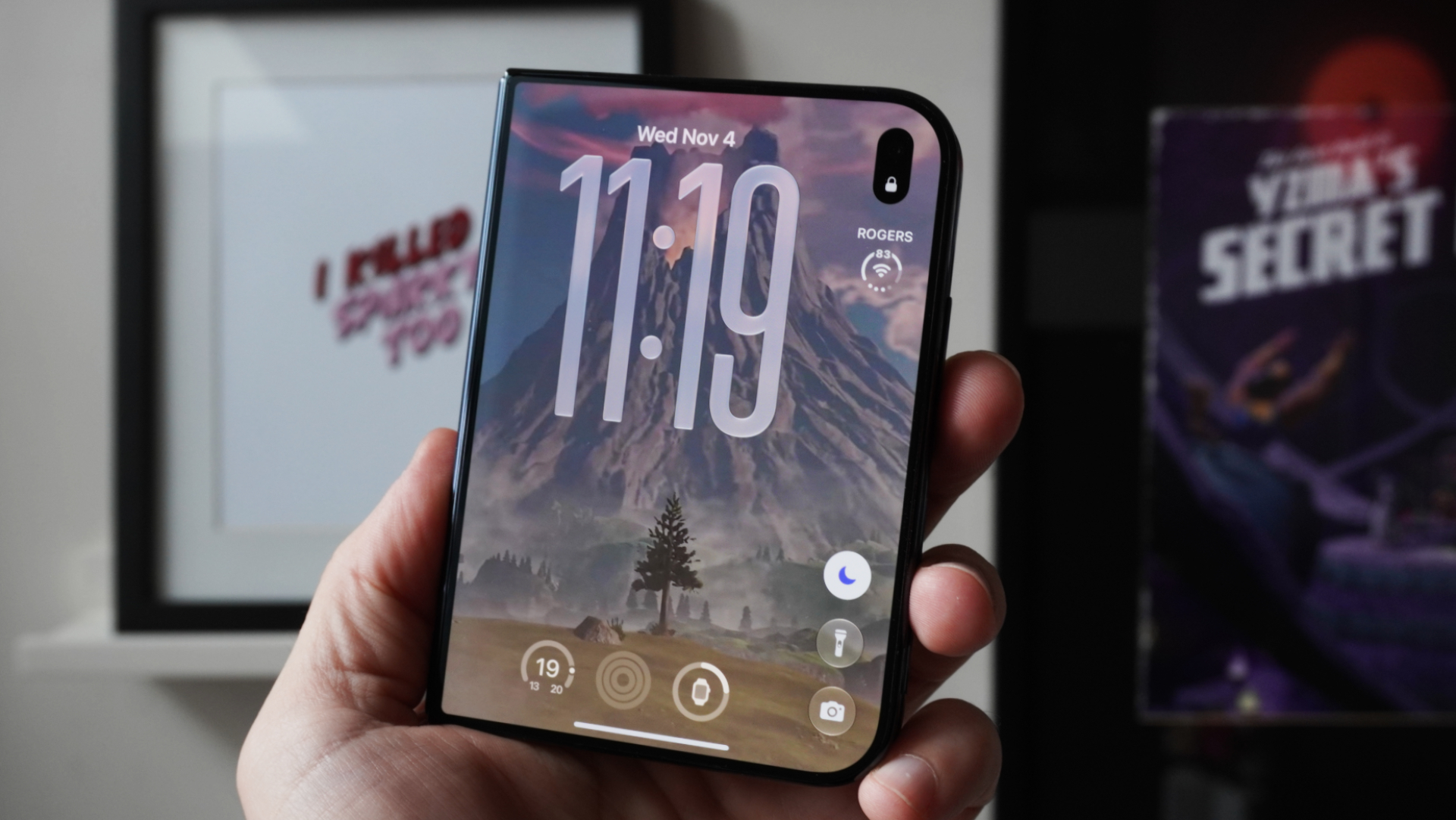
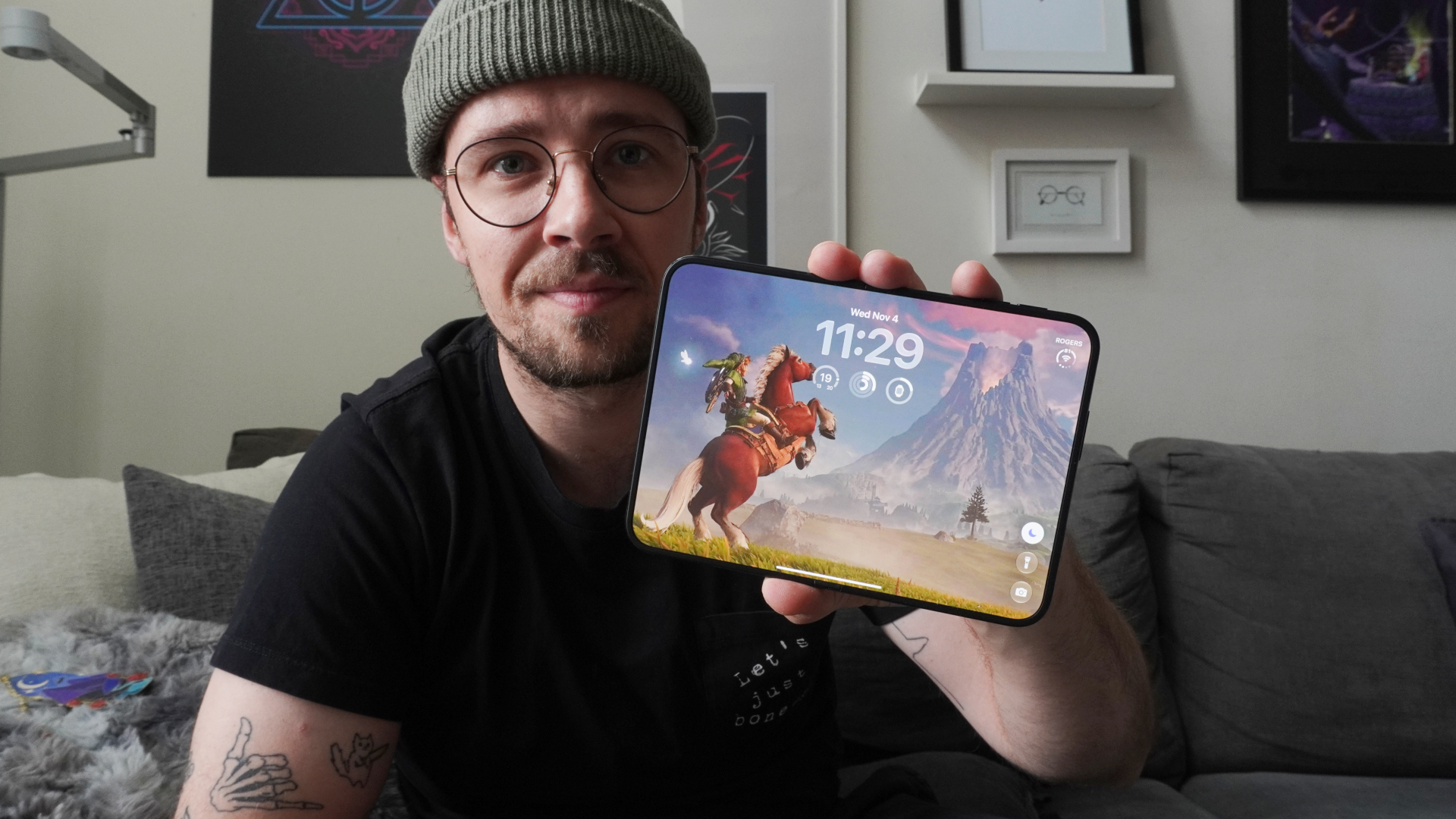
The iPhone Duo features a 5.4-inch OLED Super Retina XDR outer display. It’s naturally much smaller than a traditional iPhone display, but it’s wider, so you don’t lose access to your home-screen app grid. The inner display is a whopping 7.6 inches wide and sports an OLED Super Retina XDR display. However, the main difference is the Nano-texture finish, which gives the screen a matte look, unlike the glossy outer display. The matte screen looks good, though it does reduce some colour contrast. However, it feels incredible to the touch, almost like a thick sheet of paper. Much of my initial review of the iPhone Duo will focus on the new display sizes Apple is using. The technology and uses are fascinating from a broad perspective. More on that in a bit.
With a new design philosophy, Apple made the iPhone Duo 4.64 inches x 3.31 inches and 0.44 inches thick when closed. It’s about the same height and width as a Canadian passport. The closed thickness is quite notable. It’s roughly .10-inches thicker than the iPhone 18 Pro. The iPhone Duo weighs 8.96 ounces, which is heavier than the iPhone 18 Pro’s 7.44 ounces. When I use the foldable closed, which is roughly 85% of my usage time, it feels thick and heavy in my hand. I’m not used to the new level of wrist fatigue when doomscrolling on the iPhone Duo. It remains to be seen what the long-term effect of using a heavier device over the next year will be, but it’s something to keep in mind if you’re considering a purchase.
I do have to give Apple its flowers for how iPhone Duo feels to use when it’s unfolded. With the larger 7.6-inch inner display, iPhone Duo measures 4.64 inches x 6.48 inches and is only 0.21 inches thick. The weight distribution is also far better, as it feels like I’m using an iPad mini with both hands. Over two weeks of regular use, the seam on the inner display is still relatively minimal. I’m curious to check back in and compare after about six months. Regardless of the orientation, it just feels good to hold. iPhone Duo also supports the USB-C Apple Pencil, and while I haven’t tested that out personally, I can see how alluring that functionality is. iPhone Duo bridges that gap between smartphone and iPad so succinctly when it’s unfolded.
A new perspective on iPhone
The new design is just the tip of the iceberg for the iPhone Duo. Thanks to the passport-style design and the resulting large inner display, Apple has made plenty of accommodations to support the new hardware. Some are really quite nice and have surprised me. Others are a bit more grating. iPhone Duo arrives 19 entire years after Apple first debuted the original model. In many ways, the foldable feels like the first generation of a brand new device.

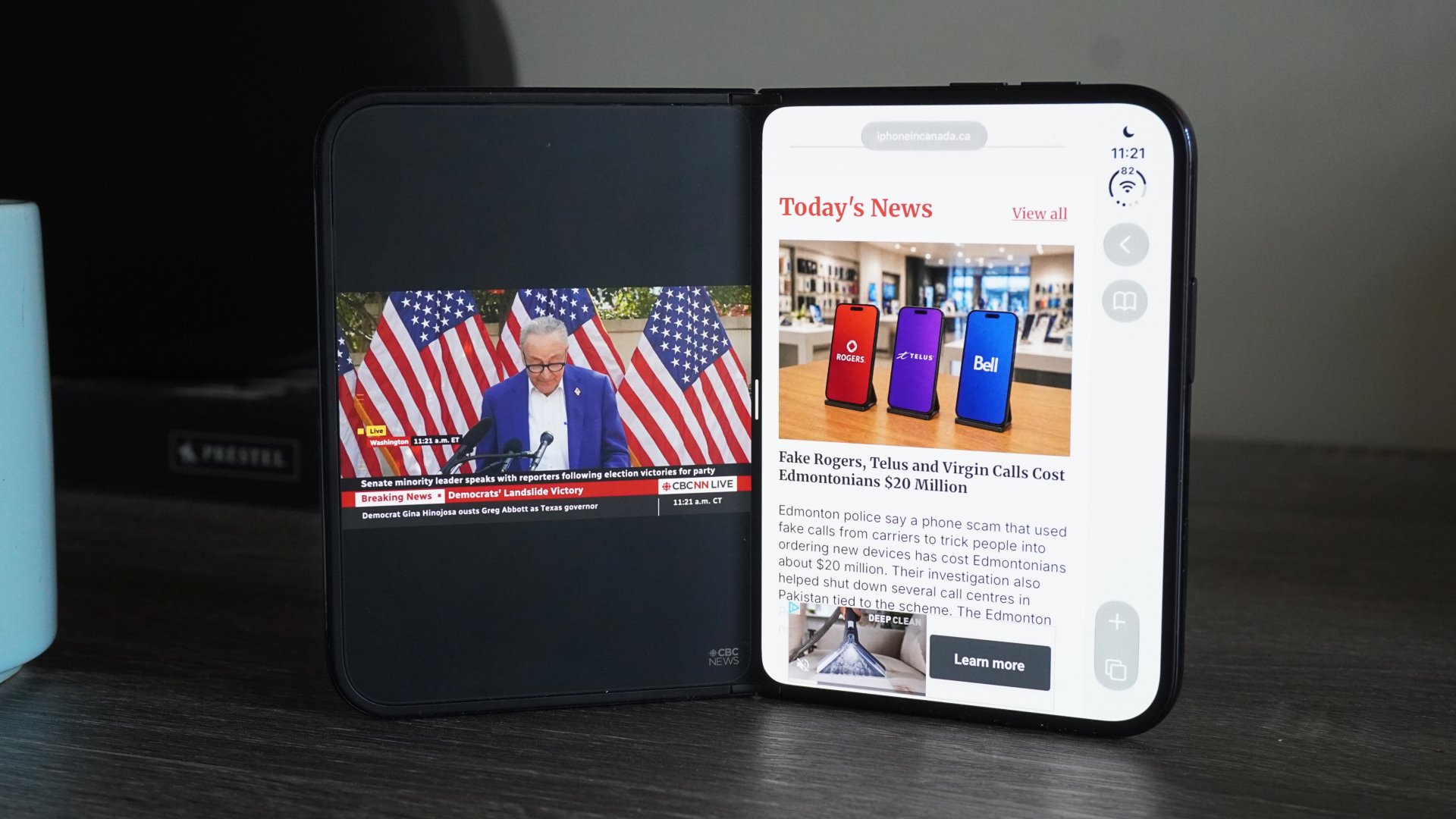
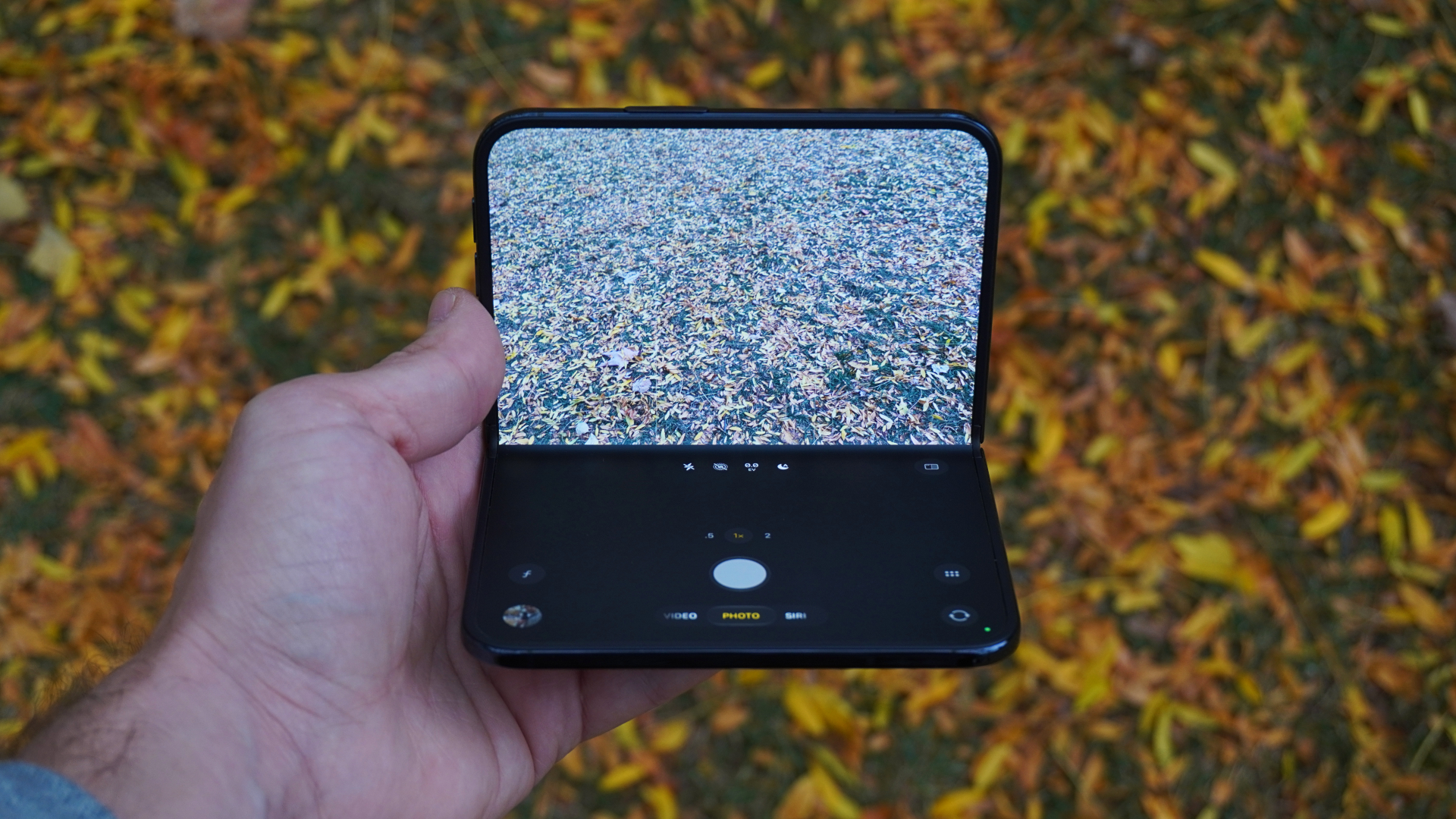
One technical aspect of the hardware I think Apple nailed is the hinge. iPhone Duo can open and rest at various angles, from 15 to 145 degrees. This is great for a ton of different use cases. Sometimes, I’ve propped the iPhone Duo up at a 90-degree angle and left a YouTube video running on one screen next to me while I make dinner. Because the hinge doesn’t spring open (I’m looking at you, Galaxy Z Fold 8), you can also prop it up as a stand while taking photos with the back camera array. iPhone Duo has achieved an IP68 rating for dust, even against the hinge. Since launch, there have been fringe cases where the hinge technology appears to have affected the inner display, cracking it. “Crackgate” is an ongoing investigation, though Apple is aware of the issue.
One of the most notable hardware inclusions is the return of Touch ID. Because of the thin foldable design, Apple couldn’t fit a 3D facial recognition sensor in the device, so it implemented Touch ID in the side button that doubles as the power button. It’s a radical adjustment to go back to Touch ID, as I’ve become so accustomed to the convenience of Face ID. The Touch ID sensor is a bit awkward for me, as a left-hander. So, I’ve had to register three sets of fingerprints to make various holding positions work for me. Touch ID is certainly no deal breaker. Though, when I take the iPhone Duo out of my pocket and have to adjust my hand position each time, it reminds me how good I used to have it with Face ID.
Apple has made some really ingenious design elements. One of my favourites is how it’s treated the hole-punch camera on its inner display. On paper, the circular cutout for the inner display’s selfie camera should be an eyesore. However, Apple placed it under the Super Retina XDR display and blended it into the surrounding pixels when it’s not in use. While it’s still visible, it’s less noticeable than you might expect. Apple also incorporates the USB-C charging port onto the left side of the device’s bottom edge. Other foldables leave the charging port on the right, which can impact the ability to charge the device and use the unfolded display without issue. Apple wonderfully fixed this issue.
Software that encourages curiosity
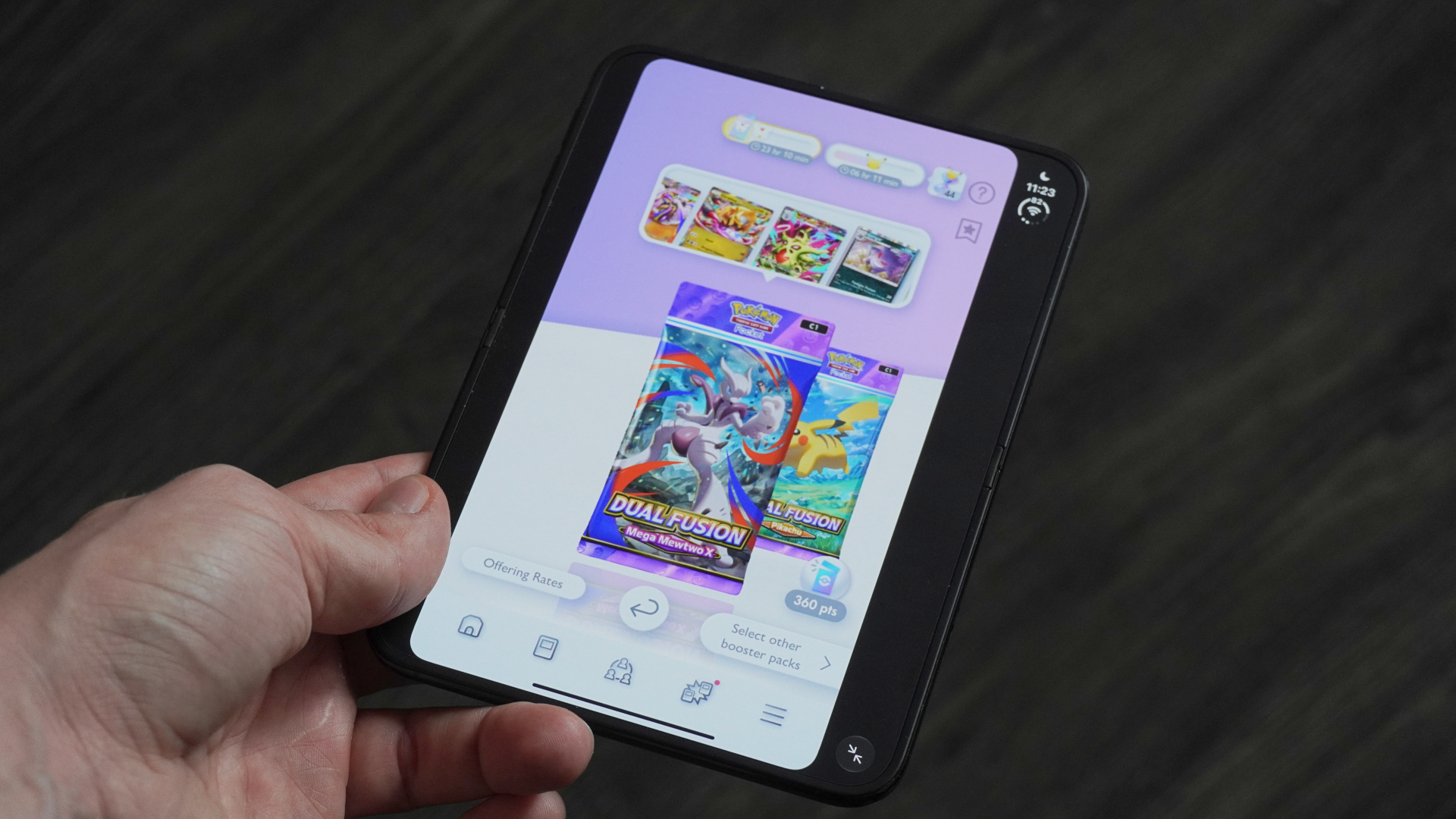
With a new 1:1.42 aspect ratio, Apple has made some considerable tweaks to the UI in iOS 27 and the user experience throughout iPhone Duo. This includes a new sidebar on the outer and inner displays that replaces the Dynamic Island. Here, Apple has designed a brand-new UI element that combines battery life, Wi-Fi status, and cellular data strength. Tapping it opens Control Centre, making it easy to navigate to this menu quickly. Honestly, it’s probably one of my favourite software refinements for the iPhone Duo, and I’d like to see it carried over across iOS. The sidebar also includes four designated spaces for apps, similar to how the bottom bar acts on iPhone 18 Pro or previous devices. It’s a small change that goes a long way toward freeing up space, especially when it’s limited on the outer display.
The issue is that most apps don’t integrate the sidebar properly. Native Apple apps do a pretty good job of using the sidebar real estate. Messages, for instance, relegates the search function and new messages to the right side. Safari includes page history settings, a new tab function and more. Photos, Apple TV, and more also use the sidebar well. Some third-party apps are also adopting that space nicely. I think Instagram, Threads, Prime Video, and Netflix are amongst the best, shifting the entire navigational menu and tabs to the sidebar. Other apps like MyFitnessPal, YouTube, and TikTok sadly lack sidebar integration, leaving the UI more cluttered than it should be. However, even in the week or so since launch, app developers have been improving their iPhone Duo SKU.
The speed of app optimization is a crucial factor as I look ahead to iPhone Duo’s future. That’s why I spend most of my time on the outer display. Many apps, like Letterbox or Uber, still don’t offer a full-screen experience on the inner display. So, when I open the iPhone Duo, I’m faced with an awkward facsimile of an app’s UI with black bars on both sides. Even in portrait orientation, the full-screen experience stretches the app further across the screen, and it’s still not fully optimized. This is a grating issue that Apple and its partnering third-party developers need to address swiftly. It’s not a catch-all issue, however. Many apps like Lyft, Google Maps, and Slack all provide great full-screen experiences for the 7.5-inch inner display. Delta, the game emulator app, has had a bit of a viral moment since users have begun using the app to replicate the Nintendo DS with staggeringly impressive results.
One of the inner display’s features is split-screen. Like other foldables, Apple is finally letting us open two apps at once. This is a phenomenal perk for multitasking, whether for work or personal use. I’ve already found a ton of benefits in keeping a text conversation going while searching Maps for a dinner location. I’ve also been in full couch gremlin mode, playing Pokémon TCG Pocket on one side and watching a YouTube video on the other. The dual-window function also reduces the issue of apps awkwardly showing large black bars. When you open two apps, they fit nicely across the screen. You can also lock two open apps together as an App Pair. This way, they’ll launch side by side in the future. This is great if you commonly use two productivity apps or always want Safari and YouTube to open together. This feature is probably the most dynamically interesting part of iPhone Duo, since multitasking on a traditional iPhone was always tedious. There are some limitations, naturally. For instance, you can’t play two video instances at the same time. So, you can’t doomscroll on Instagram Reels and TikTok at the same time. Though I am pretty impressed with how far the iPhone Duo pushed the A20 Pro chipset.
The elephant in the room
As you’ve probably realized, I haven’t brought up the camera array yet. It’s for good reason, as it’s not an aspect of the iPhone Duo I can breeze past. How important content capture is to you will be the main factor to consider. The iPhone Duo supports a dual-camera array on the back, including a 48-megapixel main camera with an f/1.6 aperture and 2x optical zoom. You’ll also find a 48-megapixel ultra-wide shooter with 0.5x zoom. Additionally, iPhone Duo sports a 12-megapixel selfie camera on the outer display and a 4-megapixel under-display inner camera. All in all, iPhone Duo is an adequate but flawed device for photos. For video, iPhone Duo can capture video at up to 4K at 120fps. Unfortunately, Apple doesn’t support ProRAW, ProRes video, or Log video on the iPhone Duo. However, third-party apps like Halide Pro Camera III can bypass these limitations.
Because of hardware limitations, the iPhone Duo doesn’t support the triple-camera array of Pro-line iPhones. As a result, we lose access to the 48-megapixel telephoto lens and 4x optical zoom. The selfie camera is also downgraded from the 18-megapixel Center Stage camera (though it retains the Center Stage capabilities). The main sensor doesn’t feature the newly introduced variable aperture, so iPhone Duo still relies heavily on digital computation rather than a mechanical process. This largely impacts low-light photos and videos. We also lose the LiDAR sensor.
What iPhone Duo does offer is a camera experience that I would honestly compare to the iPhone 17e. It feels entry-level in many ways, lacking the depth and control of the now-contemporary iPhone 18 Pro series. I’ve been experimenting with various compositions and shots and have never been wowed by the results. That’s not to say none of the photos have been worth posting. Some daytime cityscape photos have been pretty good, all things considered. Close-up shots of people retain good detail. However, as soon as the sun sets and I use the iPhone Duo in darker settings, it’s hard for me to reach for it as my main shooter. In lower-light environments, iPhone Duo renders photos with a lot of noise, lacking the clarity of many of its contemporaries. The loss of a quality 8x optical zoom is also hard to look past as is now having a telephoto shooter.
I still find myself taking a lot of photos with iPhone Duo. In fact, there’s one notable photography setting that I’ve been using a ton. Because of the limits of the 12-megapixel selfie camera, I’ve been using the iPhone Duo’s main camera for selfies. The device makes this easier than ever, as the outer screen now works as a preview display. When you turn on the iPhone Duo with the back camera facing you, a ‘Show Camera’ slider appears on the cover screen. Sliding this brings up the camera view and controls. It’s wonderfully easy to take selfies this way using the on-screen controls or using the Camera Control button. I’d go as far as to say this is Apple’s best selfie camera experience on iPhone.
Battery life and content consumption
According to post-launch reports, the iPhone Duo supports a 4,884 mAh dual-battery system, designed to deliver up to 24 hours of mixed use. On average, I squeezed about 13 hours of heavy use from the device. This included scrolling TikTok, posting on social media, texting, responding to emails, and playing 30 minutes of games a day in both screen orientations. Mileage will vary depending on what you use the iPhone Duo for and how long you use each display.
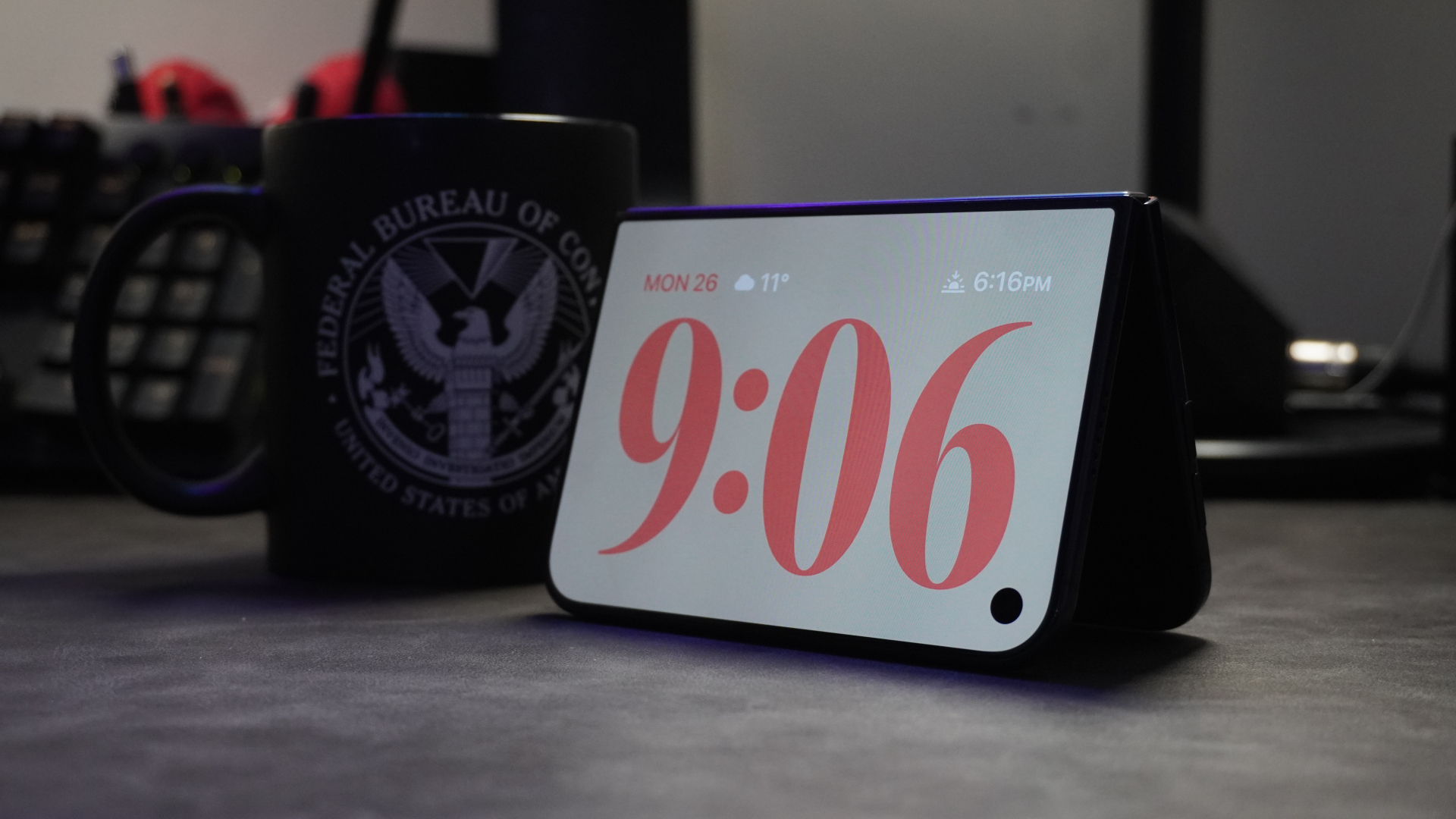
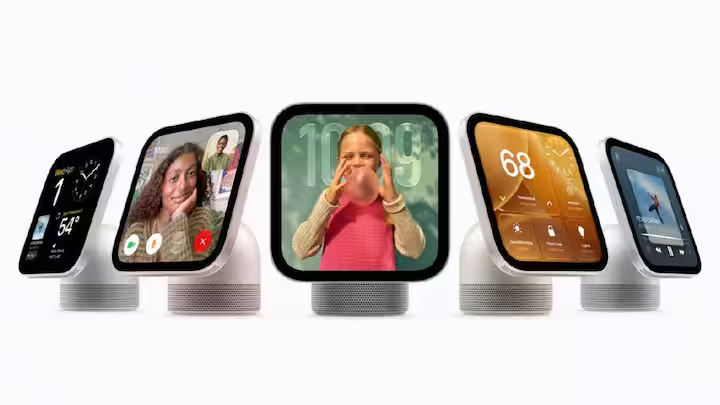
Charging on the iPhone Duo is very efficient. I gauged up to 50 percent charge in about 20 minutes, using a 60-watt power adapter. The iPhone Duo also supports Qi2 charging and MagSafe accessories. Though there’s a bit of a quirk to it all. If you use a MagSafe charger, it’s best to leave the iPhone Duo closed, as the weight will be too imbalanced and could cause the device to teeter while charging. That said, the iPhone Duo’s StandBy mode is insanely cool. Resting in a tent-like position on my nightstand with a customized face is an awesome little perk.
Final thoughts
Truthfully, I could rant about the iPhone Duo for days. There are so many nuances to the device that I find myself genuinely excited to talk about the phone each day. Though I’m torn as I near the end of my review. iPhone Duo has more than a few hitches that keep it from objectively reaching a masterclass within Apple’s hierarchy. Still, it’s a great first step toward what I hope becomes a core pillar of Apple’s product lineup, and it’s my favourite iPhone in years.
I’ve fallen in love with how satisfying the nano-texture display feels to swipe on. The outer display’s size is, honestly, perfect for a one-handed experience. In fact, going back to my iPhone 17 Pro, I feel like that’s now too large a device. Watching content across the many, many orientations suits any circumstance or need. Plus, finally having a dual-screen multitasking experience on iPhone is superb. These top-level perks are enough for me to personally overlook the lacklustre camera experience and rough edges around the software. I always have my dedicated camera for content capture anyways so iPhone Duo was never going to take its place. And third-party software can be improved over the months.
iPhone Duo serves my lifestyle and needs well, and while it won’t meet everyone’s expectations, I sincerely hope any curious tech enthusiast or Apple fanatic gives this device a chance this year.